
Artemis Ellis writes practical books for people who are tired of workplace theater and ready for clarity. Her work focuses on the invisible mechanics that shape behavior—how systems create outcomes, why “communication problems” aren’t what they seem, and what actually changes results without burning people out.
“A framework is not a container for answers. It is a lens that helps you see better questions.” - Artemis Ellis

You Are Not Confused is a sharp, unsentimental dismantling of modern self-help culture—from over-therapizing normal discomfort to treating avoidance as wisdom and indecision as depth.
In Tipping the Scales, Artemis Ellis examines what organizations quietly lose when efficiency is optimized without accountability, and when judgment is treated as a “soft skill” rather than a hard constraint.
Trying to Relax Has Been Exhausting: Manifesting Pura Vida Meets Hygge Without Making Your Life Feel Like Homework is a warm, funny, practical guide to building real-life calm through tiny rituals, better boundaries, and “Signal” (manifestation with receipts) so you can create a life that feels good—on purpose.
Burnout Isn’t a Mission Statement is your no-fluff guide to naming the load, protecting your capacity, and choosing meaning without martyrdom—because a “why” that hurts you isn’t a why worth keeping.
Get Aligned (Without Losing Your Will to Live) — A practical reset for when “alignment” has become code for burnout, helping you choose what matters and protect your energy without losing your edge.

A Chat Message Is Not a Comms Plan — Stop mistaking pings for clarity and build communication that actually moves work forward—without more meetings, chaos, or context loss.

Teambuilding Is Not Assembly — Teams don’t “click” because you tried harder; they work because you designed the roles, boundaries, and interfaces that make collaboration inevitable.
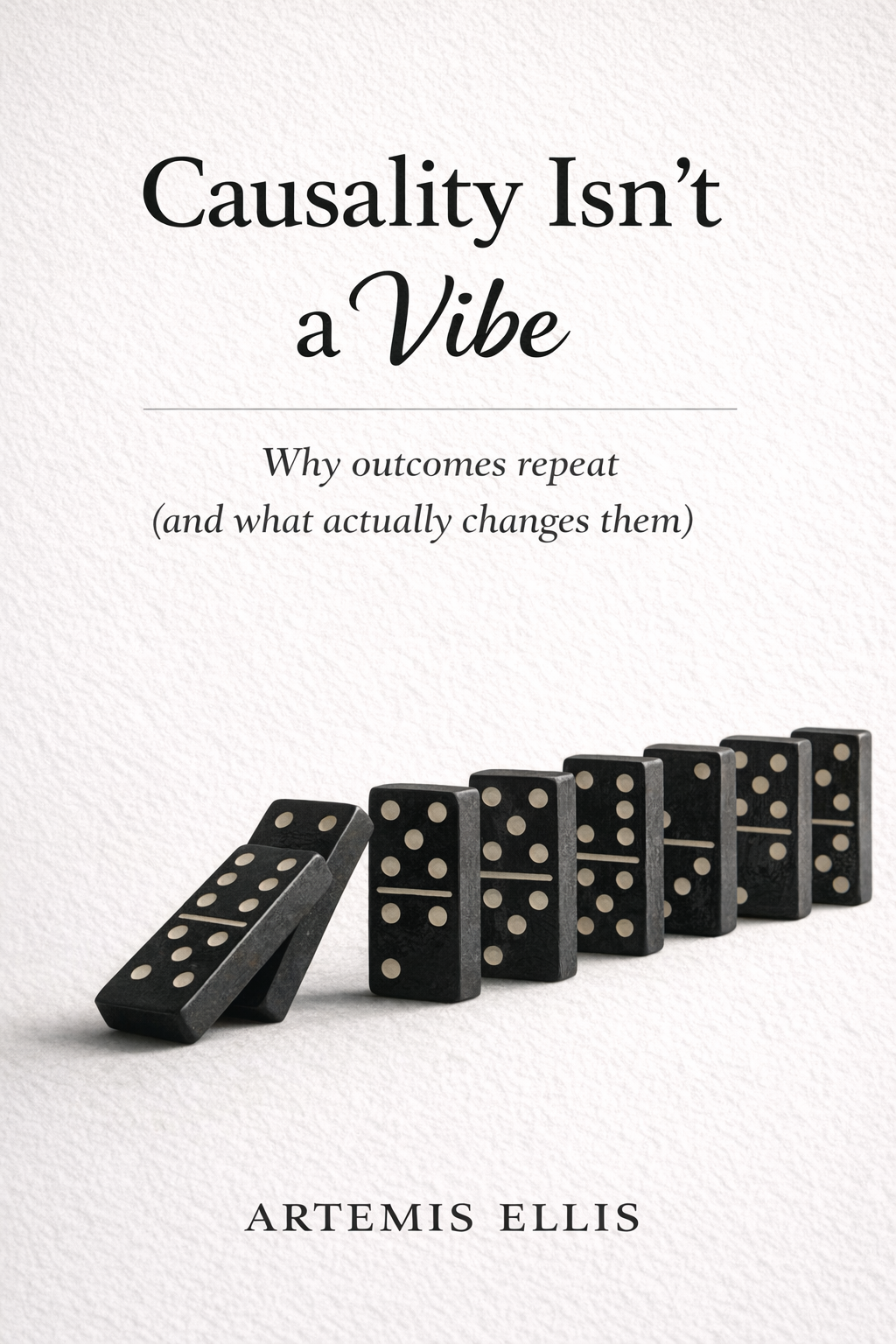
Causality is Not A Vibe — If your fixes never stick, it’s because you’re treating symptoms like causes—learn how to trace what’s really driving the mess and change the system, not the story.

If Everything Is a Priority, Nothing Is — A blunt, usable approach to tradeoffs that cuts through overloaded roadmaps and helps leaders pick fewer things—and actually finish them.
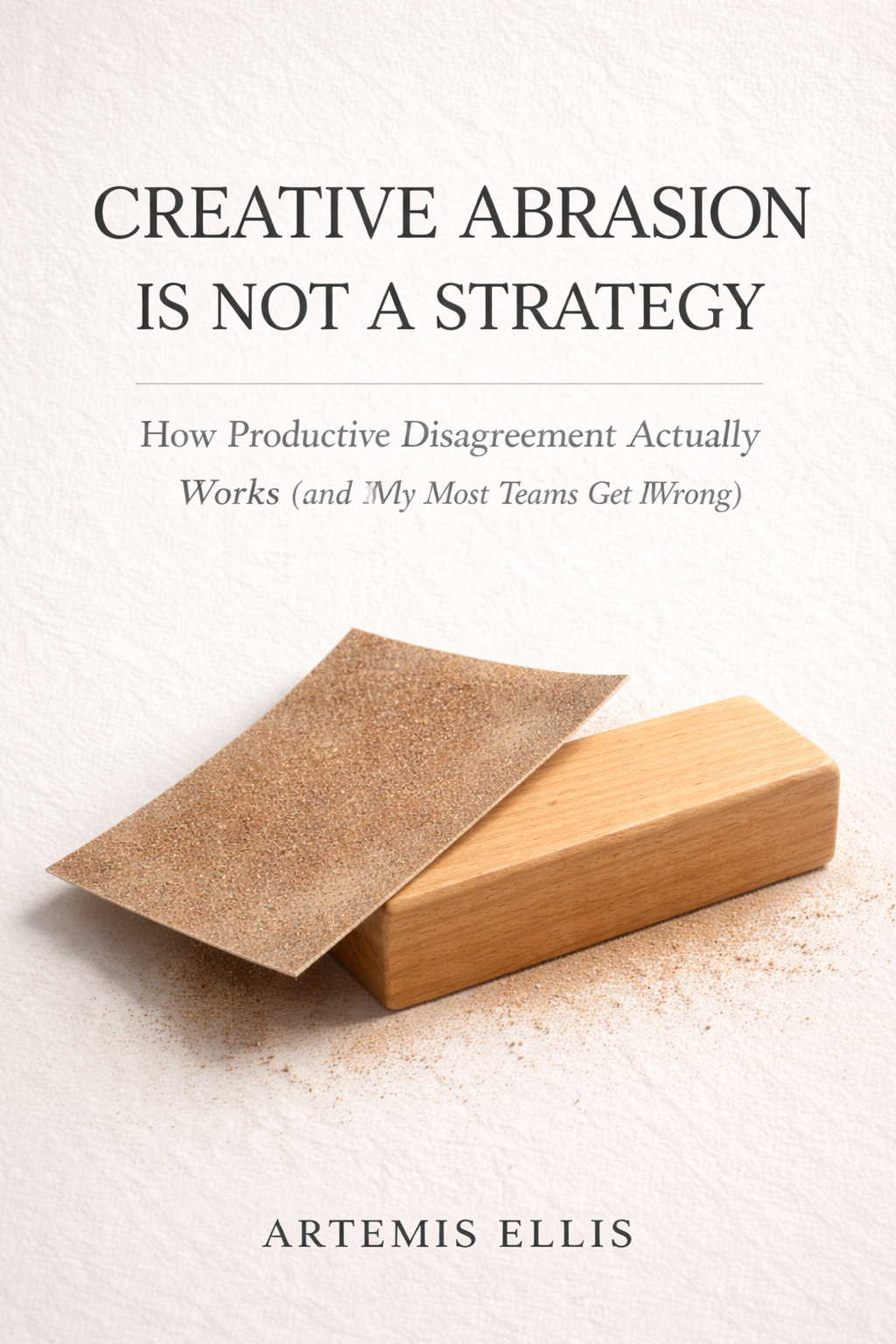
Creative Abrasion Is Not a Strategy — Conflict isn’t innovation—replace “let them fight it out” with healthier friction, clearer decisions, and progress that doesn’t cost your culture.
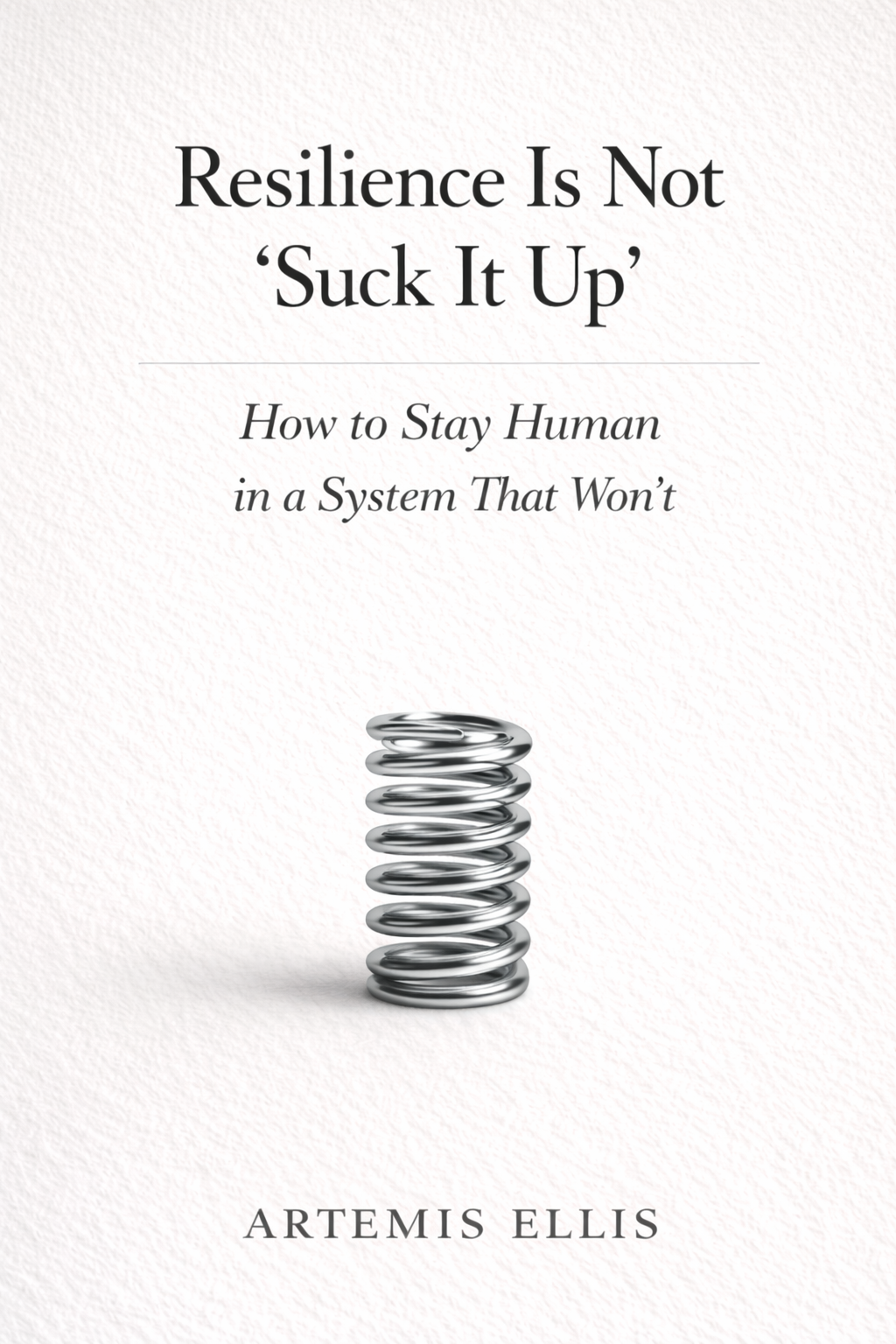
Resilience is Not “Suck it Up” — Real resilience isn’t endurance theater; it’s building conditions where people can recover, adapt, and keep delivering without breaking.
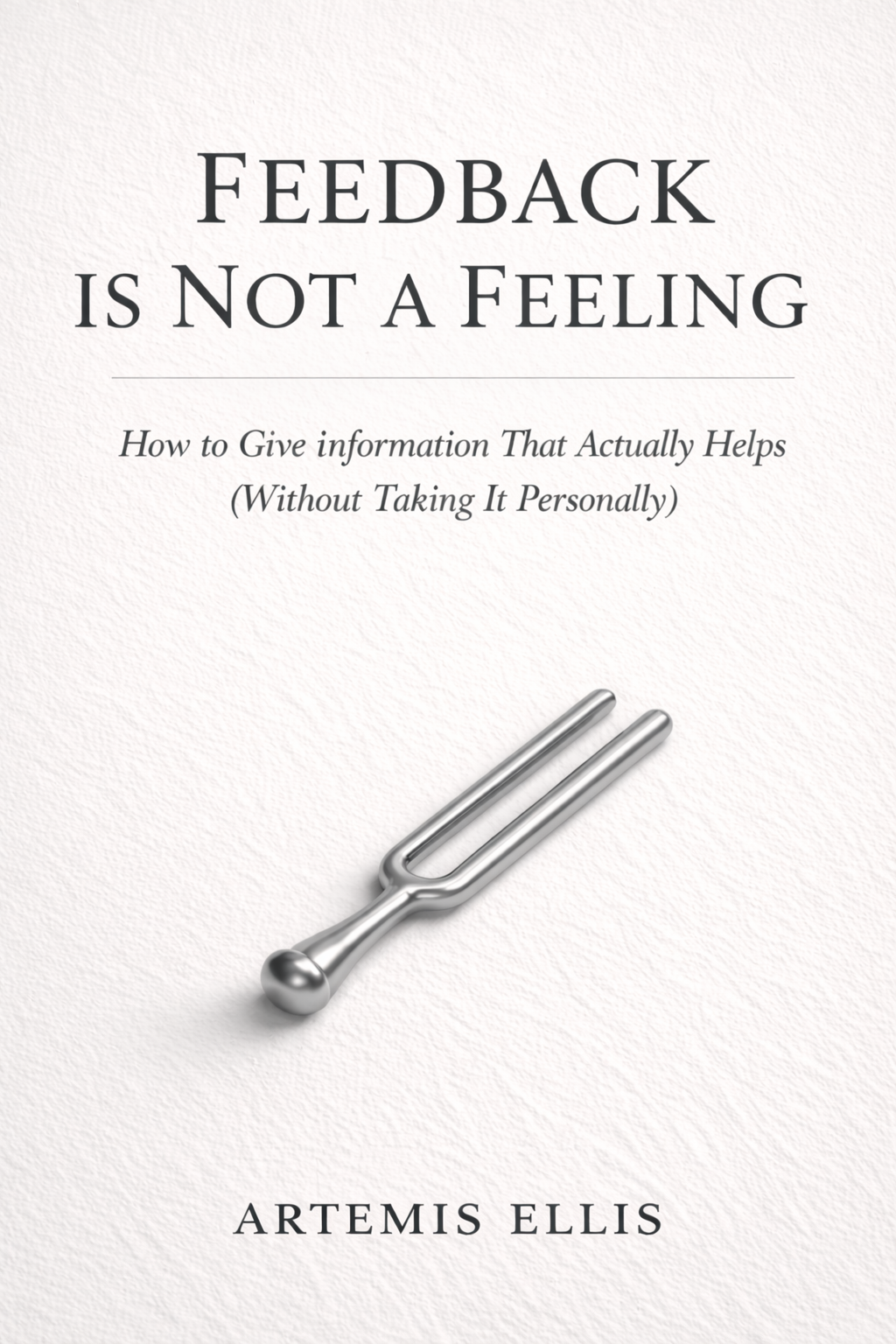
Feedback Is Not a Feeling is a practical workplace playbook that turns vague “be better” comments into clear, usable information people can act on immediately.
Metrics Theater shows you how to stop performing progress and turn KPIs into decisions that actually change the work.
Culture Is Not a Bunch of Repeated Mantras shows why workplace behavior becomes “normal” under pressure—and how to redesign the conditions so the right actions are the easiest ones.
A Playbook Is Not a Brain is a no-fluff guide to why frameworks don’t fix outcomes—and what actually builds judgment, capability, and decisions that change the work.
Truth Has a Social Cost shows why reality arrives late in meetings—and gives you practical scripts to make early truth speakable before it turns into a surprise.
Flow Is a Job — because when no one owns the movement of work, smart teams stay busy, decisions arrive late, and nothing reliably finishes.
Accountability Without Blame shows you how to get reliable follow-through with clear ownership, visible commitments, and early truth—without fear, micromanagement, or scapegoats.
Operating Cadence Is Culture shows how a minimal, repeatable meeting rhythm turns priorities into tradeoffs, decisions into momentum, and chaos into work that actually gets finished.
Hiring Isn’t Guessing: learn how to spot real job-fit beneath polished interview performance by hiring evidence—work samples, feedback response, and observable operating behavior—instead of stories.
Orientation Is Not Onboarding is a practical guide to helping new hires become genuinely effective by transferring the context, judgment, and role clarity most organizations forget to explain.
Psychological Safety Is Not Comfort is a practical guide to building teams that can handle honesty, disagreement, and accountability without losing trust.
Change Management Is Not an Announcement shows why communication alone does not create adoption—and what it actually takes to make change real inside the work.
Role Clarity Is Not Micromanagement shows how clear ownership, defined authority, and visible expectations create stronger autonomy, faster decisions, and less friction at work.
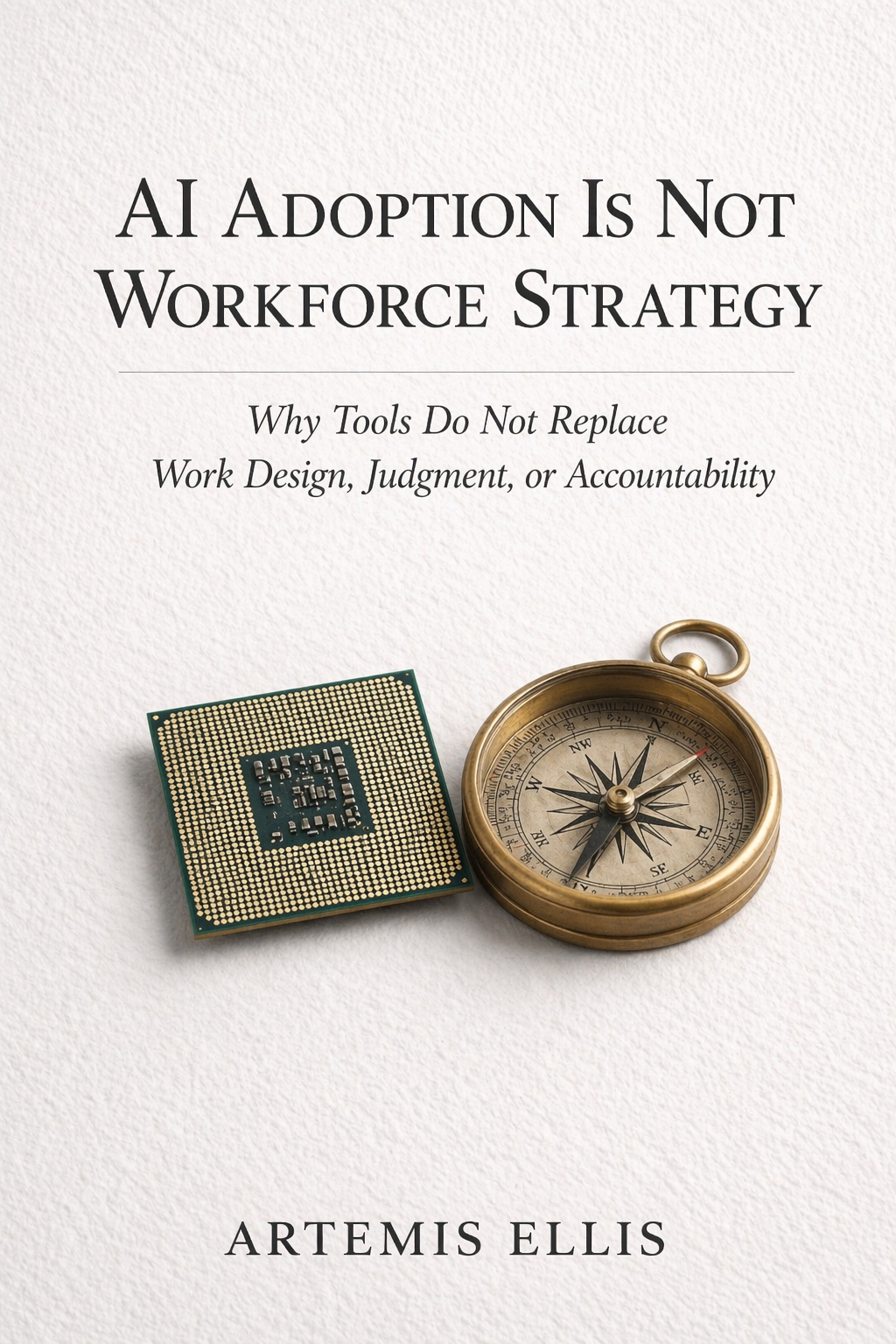
AI Adoption Is Not Workforce Strategy is a practical guide to using AI as a support to real work without confusing the tool for judgment, ownership, or leadership.
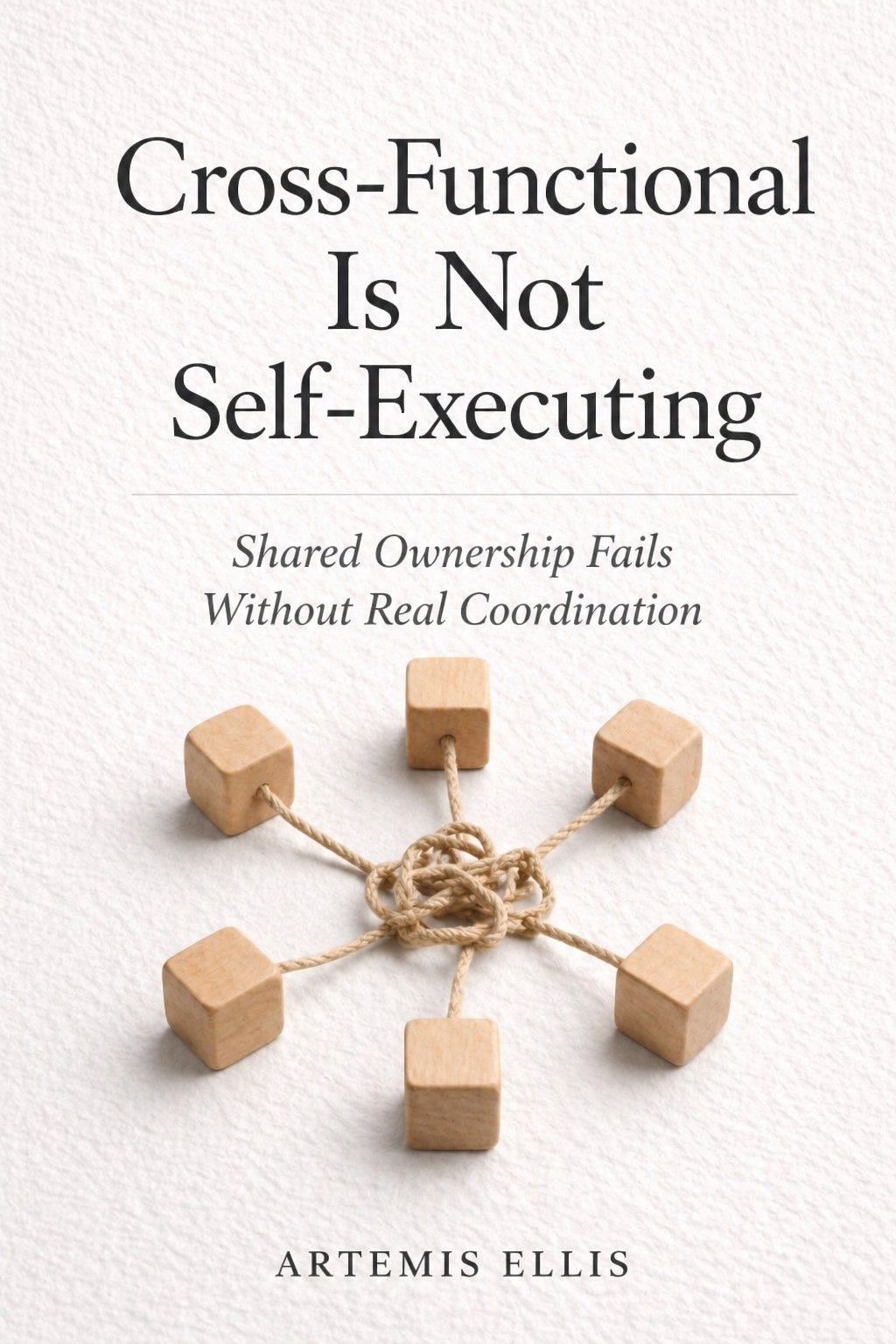
Cross-Functional Is Not Self-Executing shows why shared ownership fails without real coordination—and how to build the systems that keep cross-team work moving.
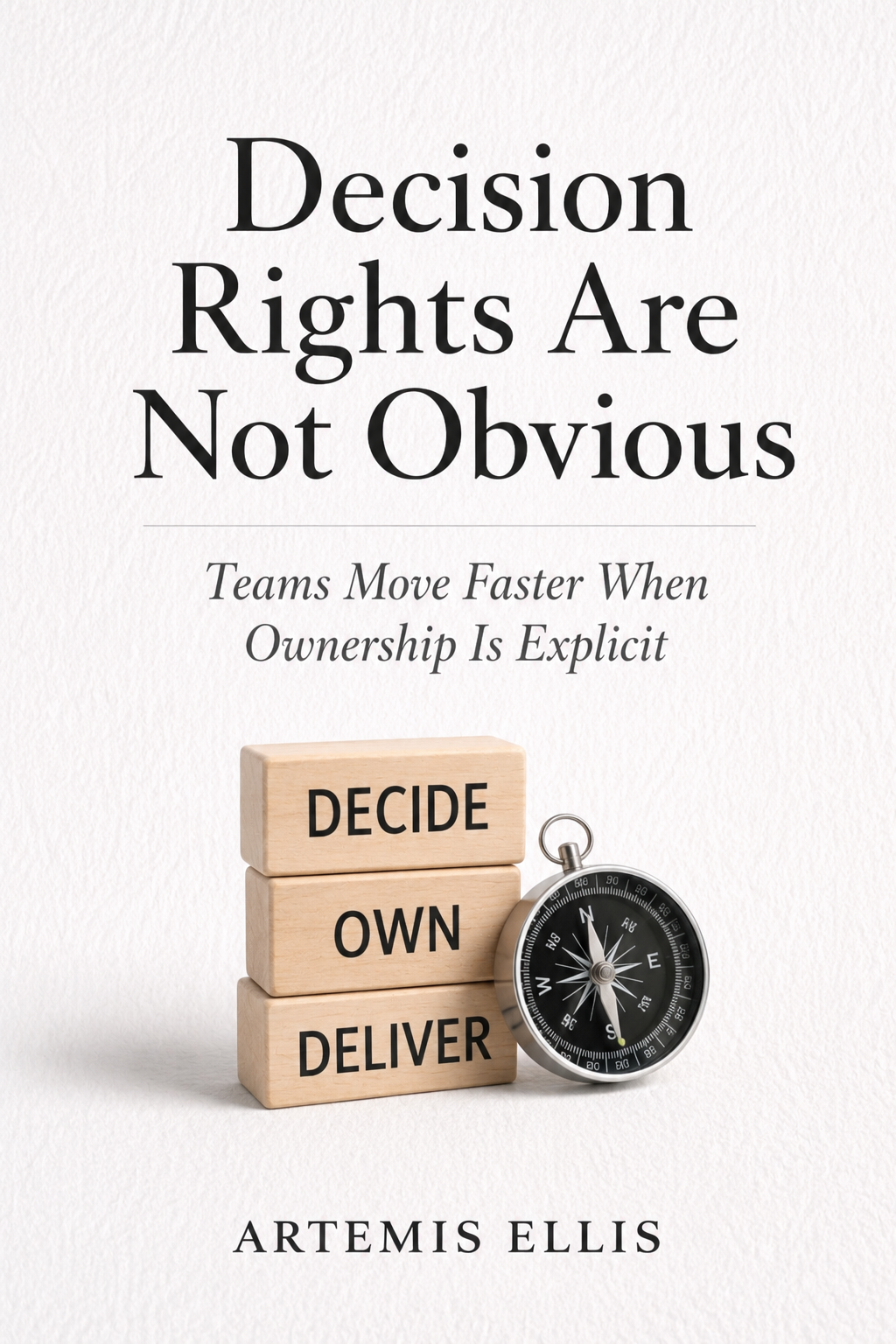
Decision Rights Are Not Obvious shows leaders and teams how to clarify decision ownership, reduce escalation loops, and move work forward with confidence.
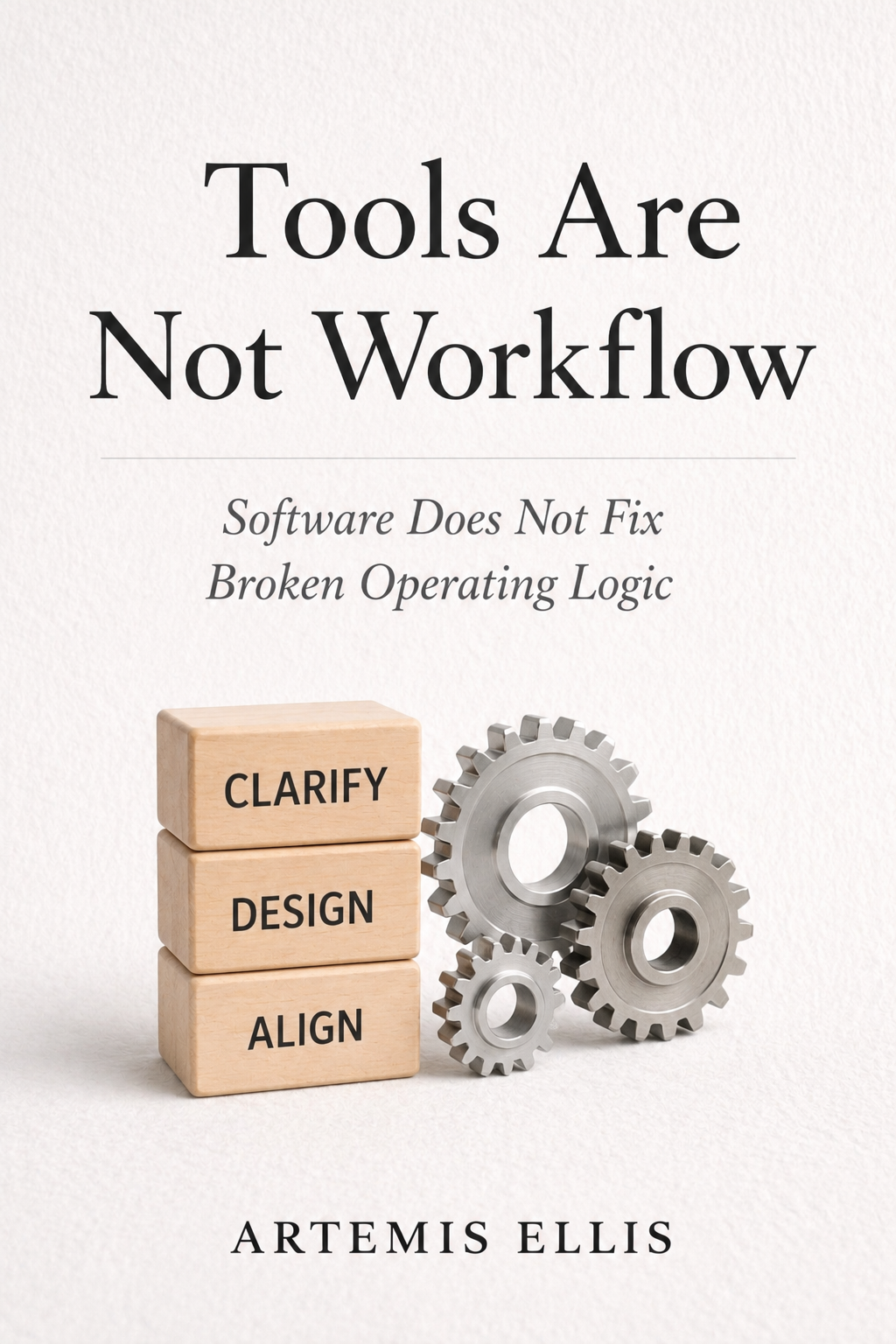
Tools Are Not Workflow shows why software cannot fix broken operating logic—and how leaders can design clearer workflows before adding more technology.
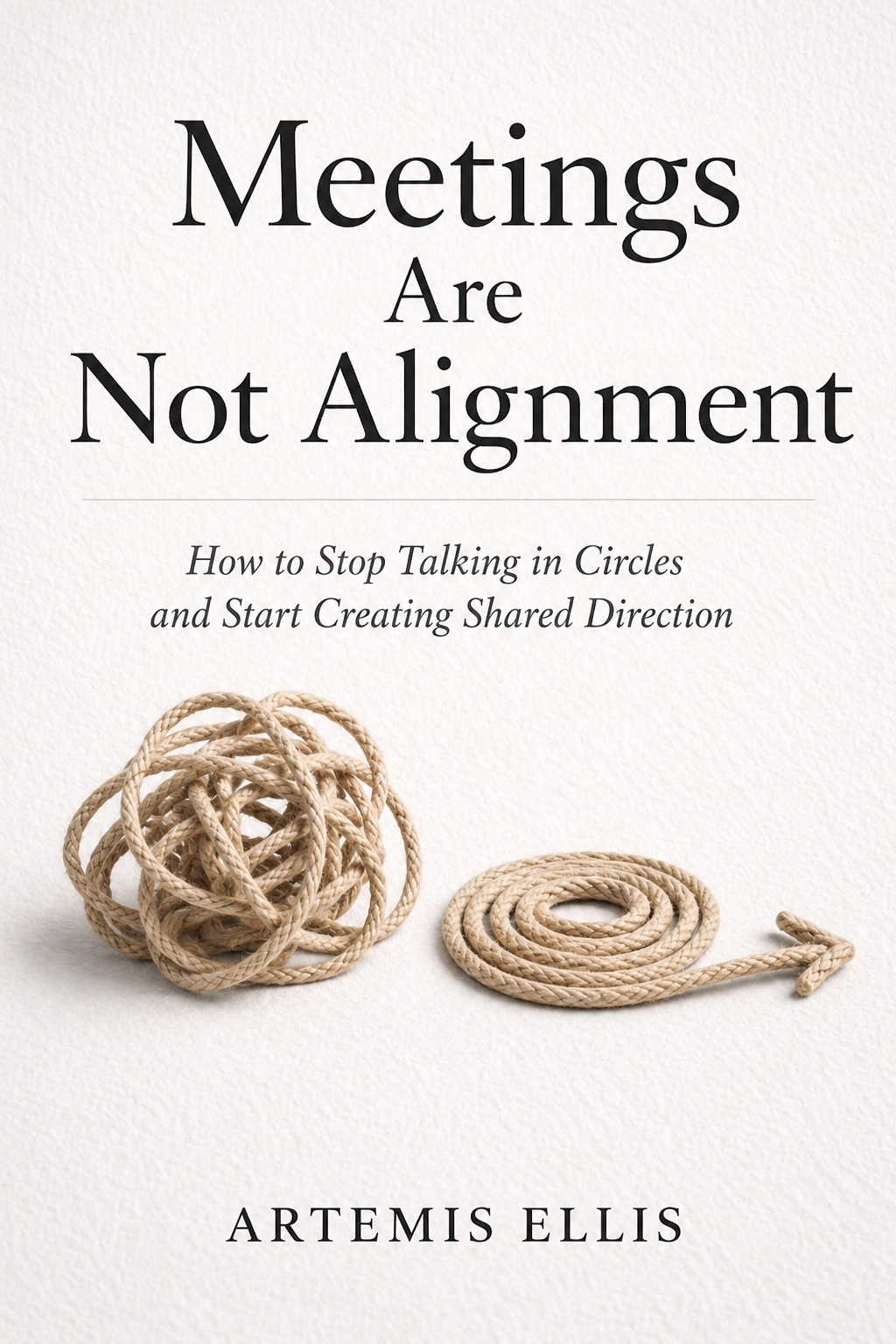
Meetings Are Not Alignment shows leaders how to replace circular conversations with clear decisions, visible ownership, and practical systems for shared direction.
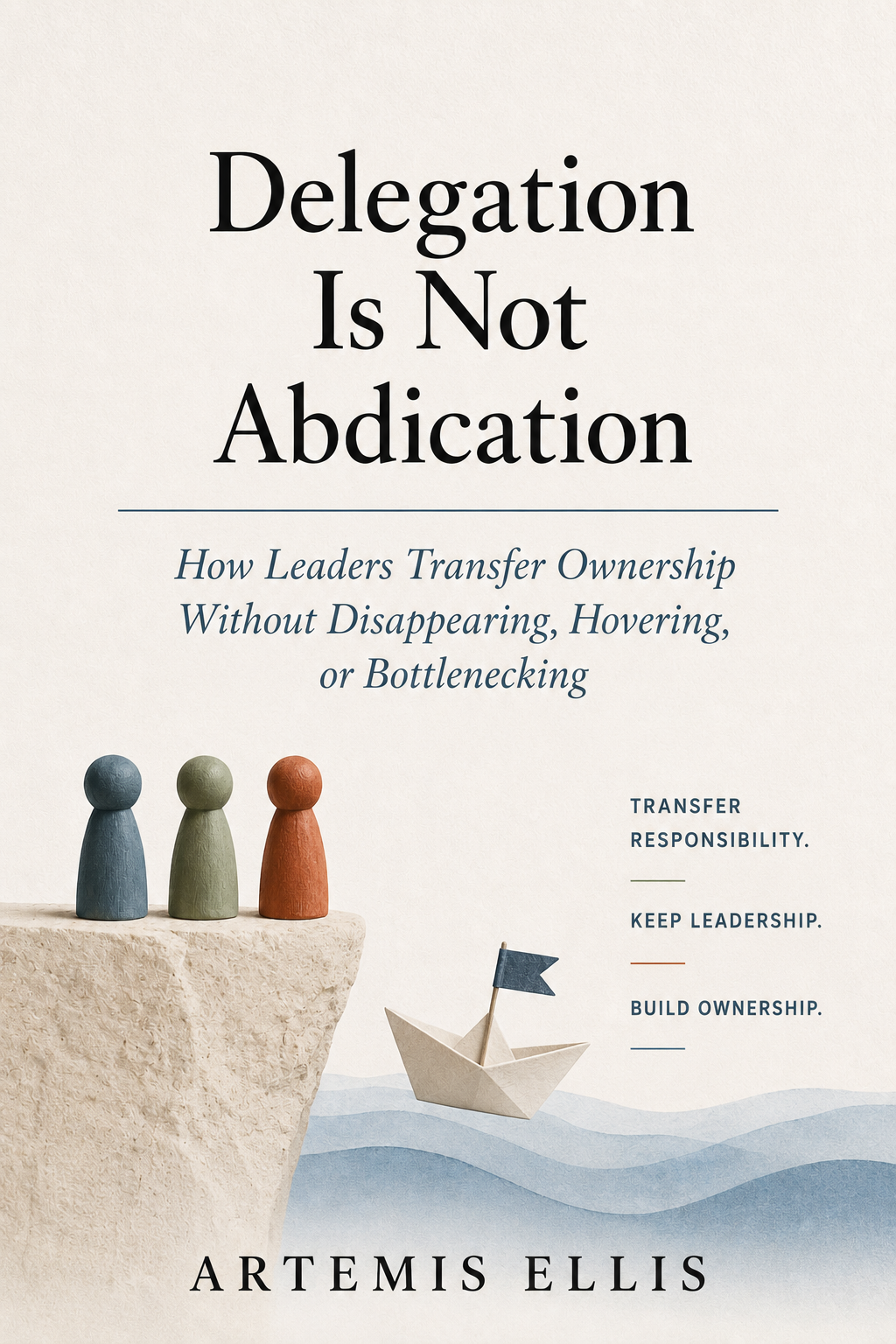
Delegation Is Not Abdication shows leaders how to transfer ownership without disappearing, hovering, or becoming the bottleneck.
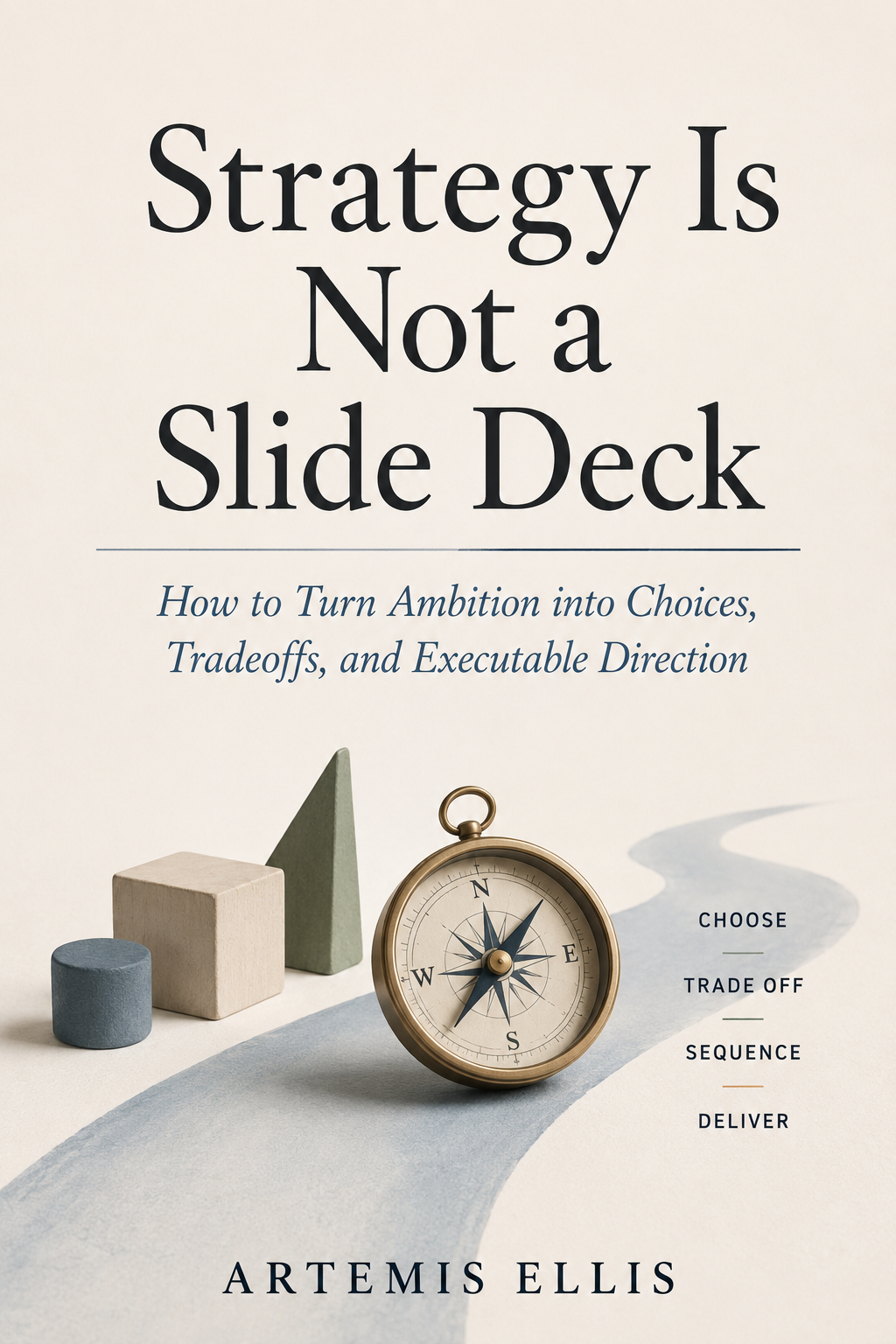
Strategy Is Not a Slide Deck shows leaders how to move beyond polished presentations and create real strategic direction through choices, tradeoffs, prioritization, and execution.
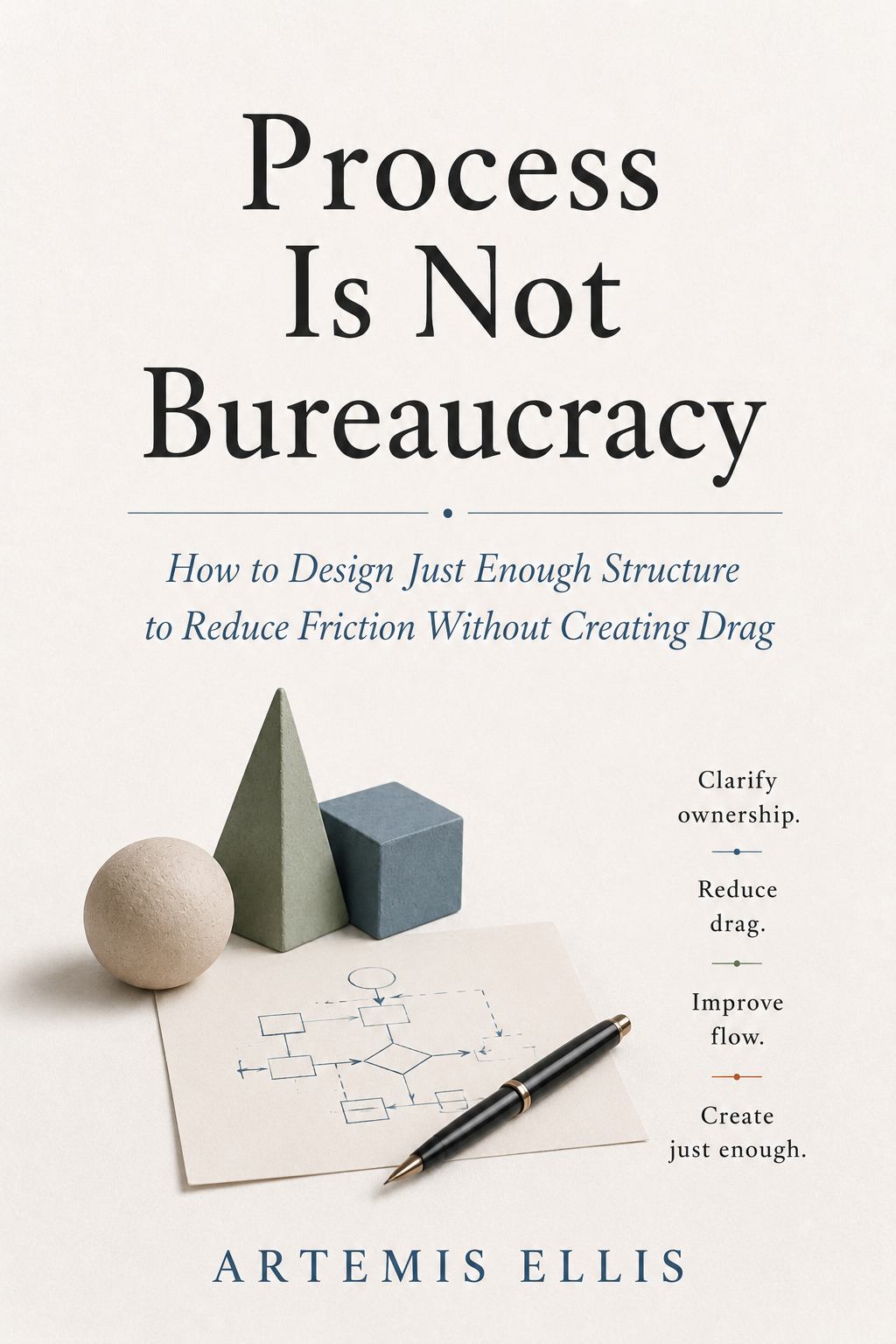
Process Is Not Bureaucracy shows leaders how to create just enough structure to reduce friction, clarify ownership, and improve flow without turning work into a maze of approvals and drag.
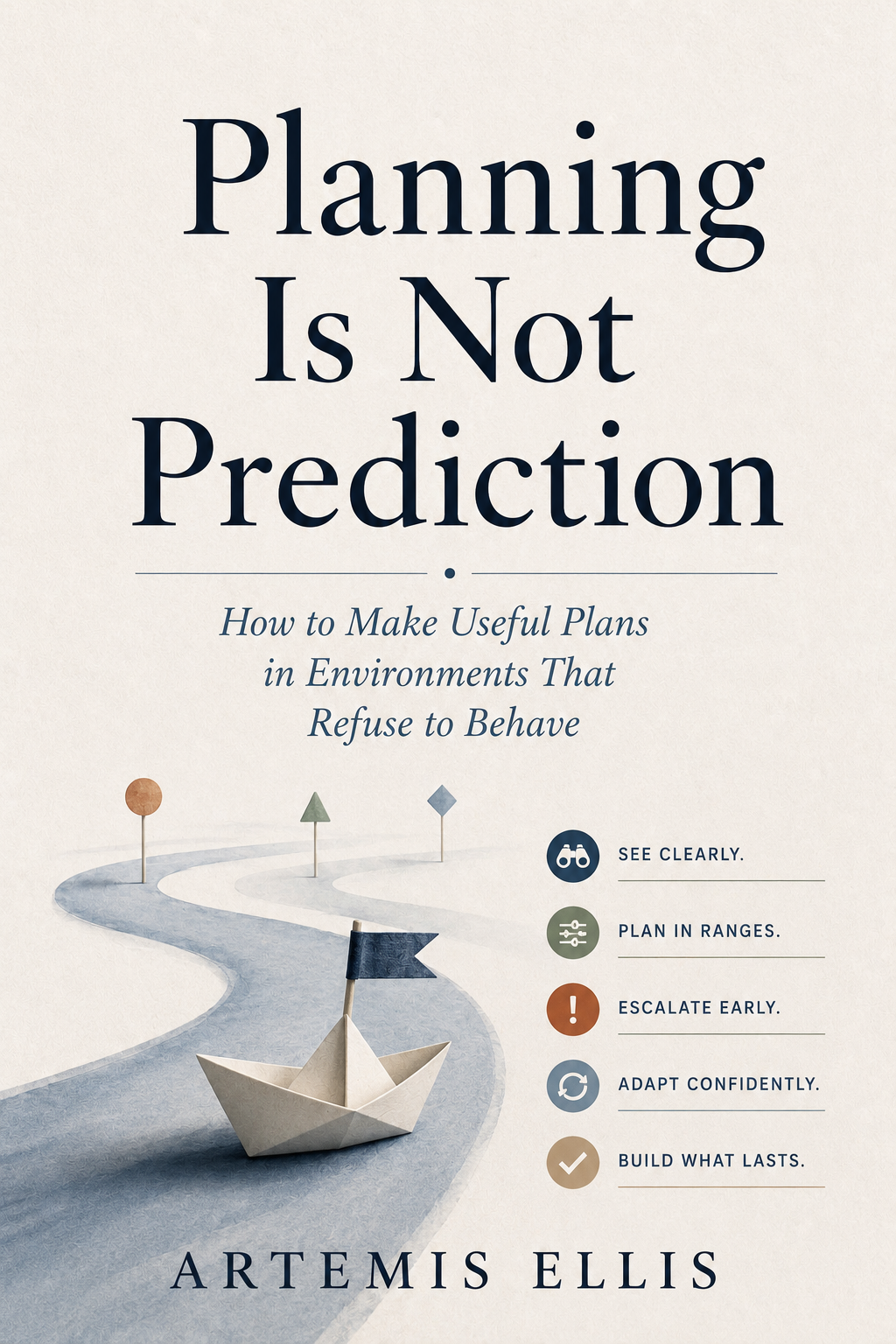
Planning Is Not Prediction shows leaders and teams how to build useful plans that create clarity, surface risk, and support calm adaptation when reality refuses to behave.
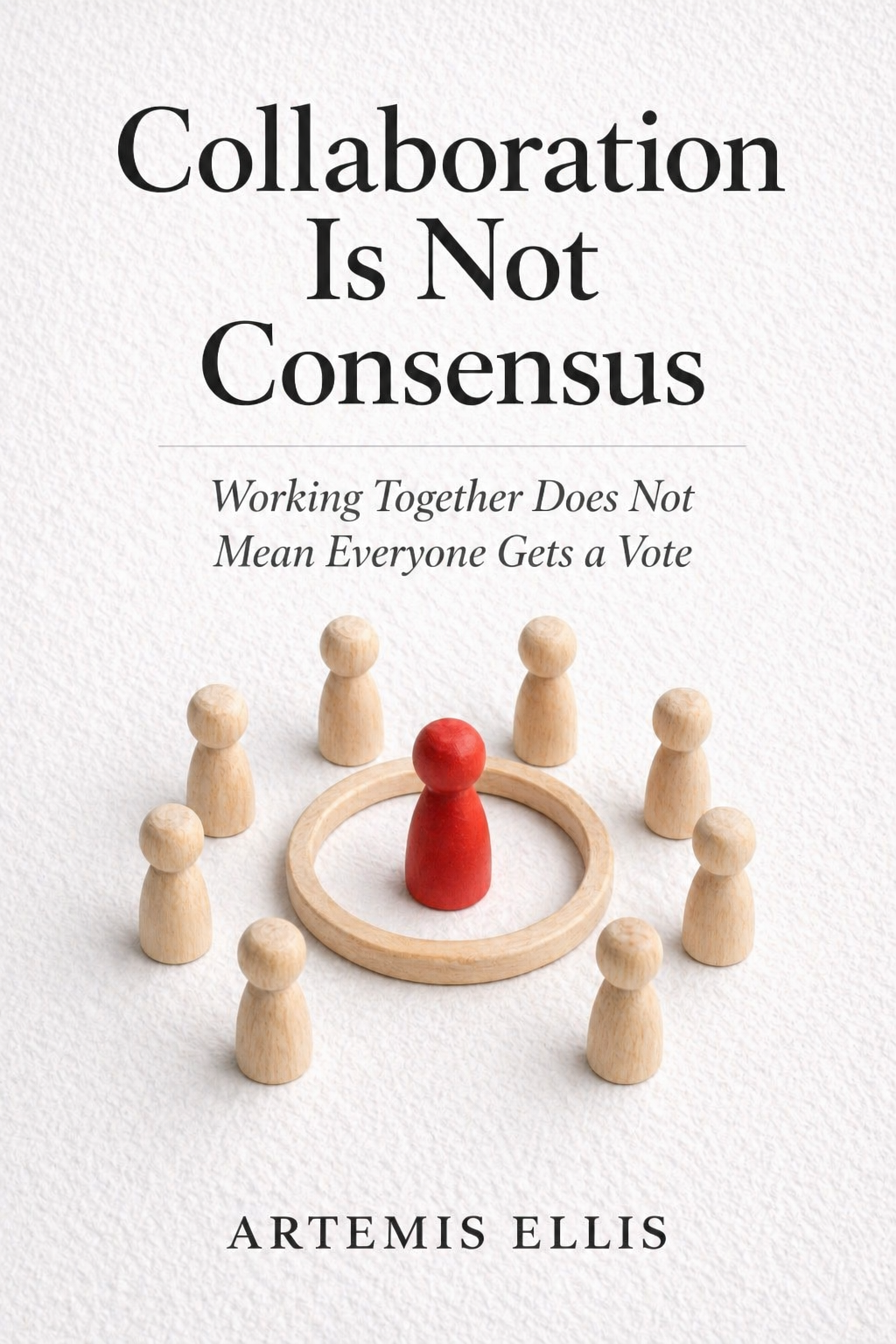
Collaboration Is Not Consensus shows teams how to welcome input, clarify ownership, and make better decisions without waiting for everyone to agree.
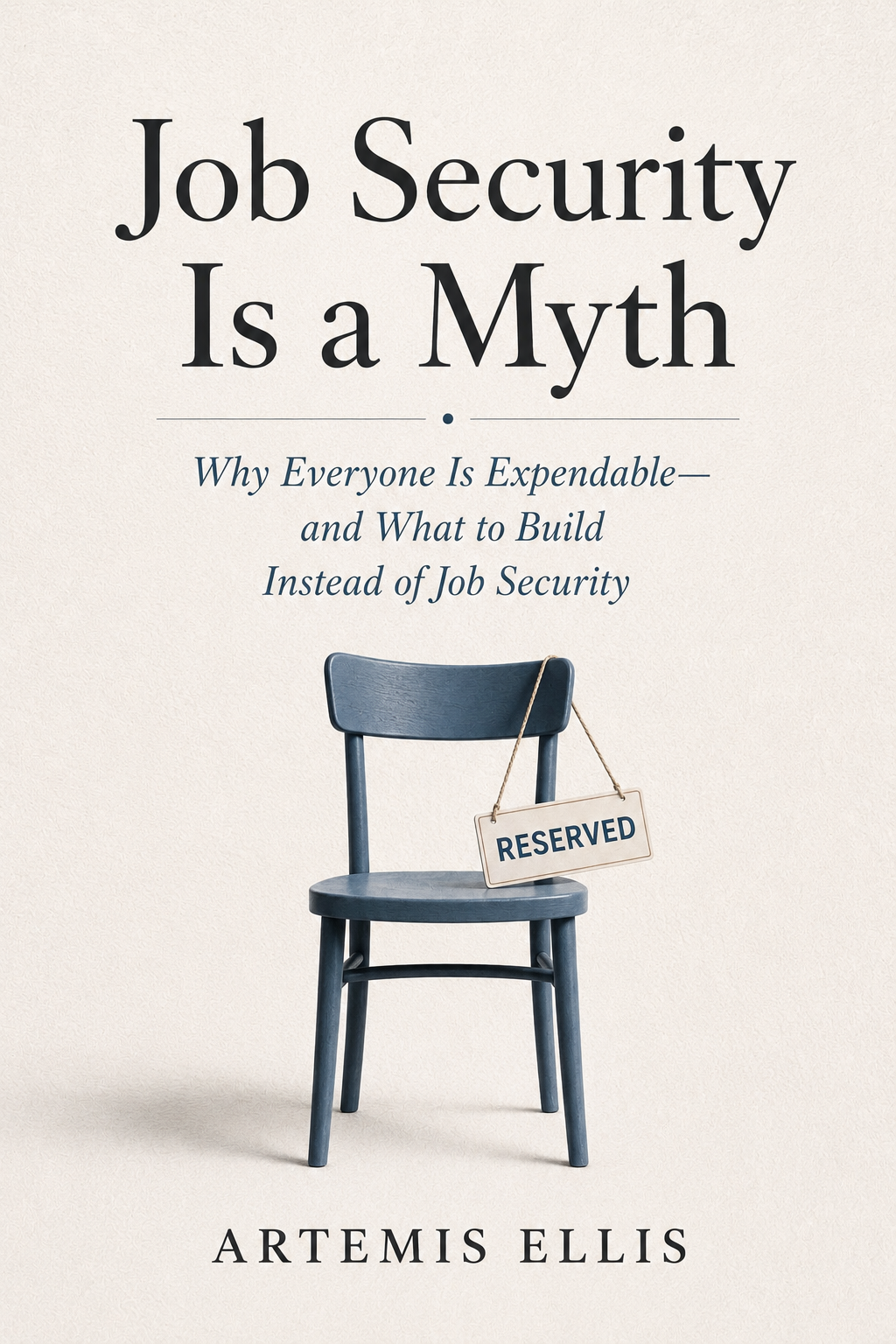
Job Security Is a Myth helps professionals stop treating employment as protection and start building the portable leverage, evidence, and options that make a career harder to destabilize.
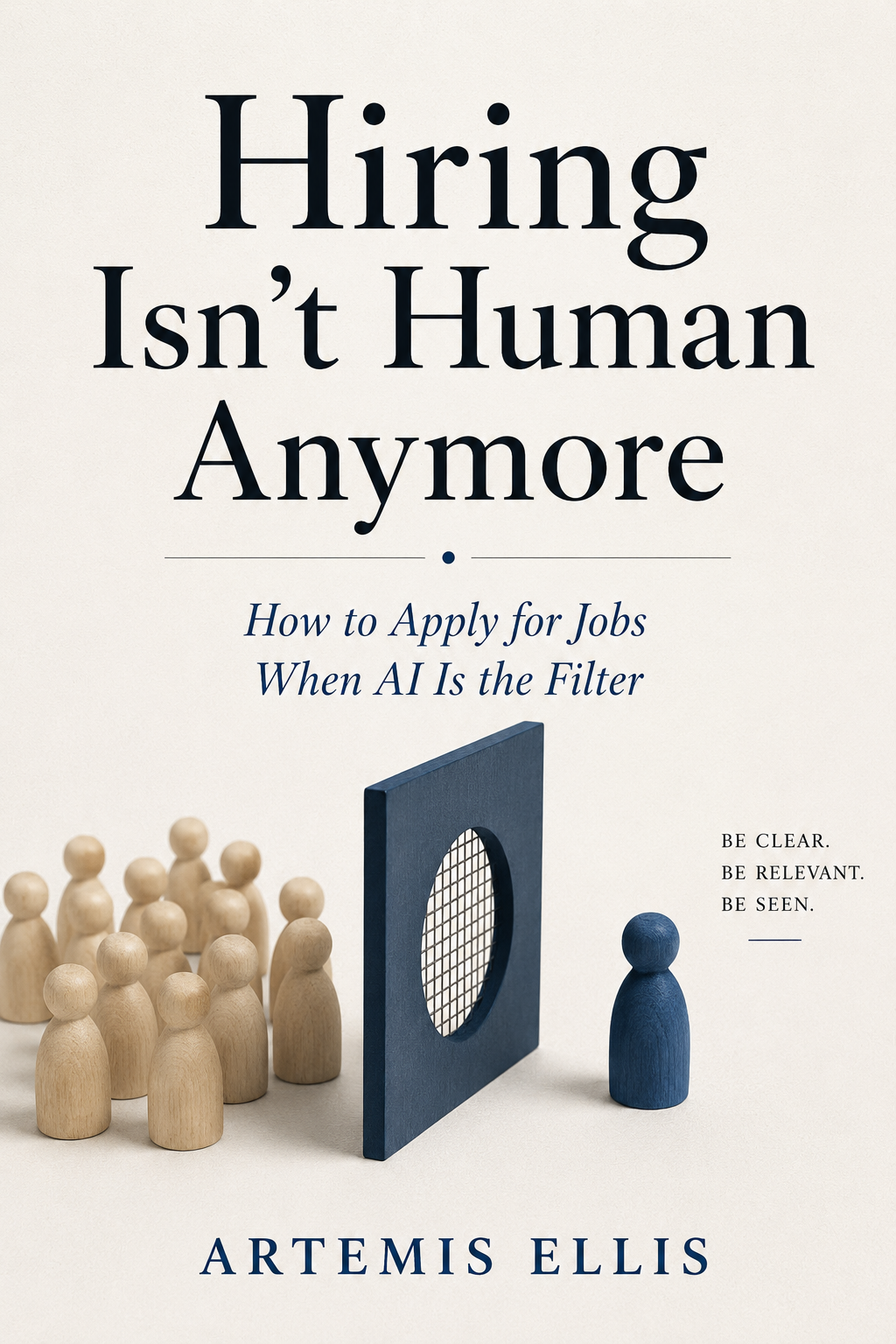
Hiring Isn’t Human Anymore shows job seekers how to apply with clearer signals, stronger evidence, and a repeatable strategy when AI and automated systems are part of the hiring process.
AI-Proof Is Not Permanent shows professionals why staying valuable requires ongoing skill maintenance—not panic, denial, or the false promise of permanent career safety.
Upskilling Is Not Panic Buying shows professionals how to choose skill investments strategically instead of reacting to fear, hype, layoffs, or every new workplace trend.
Human Judgment Is Not Legacy Tech shows why experience, context, and accountability still matter when AI makes answers faster, more polished, and easier to trust.
The Hidden Costs of AI shows organizations how to adopt automation without quietly weakening the judgment, trust, knowledge, and resilience that make work actually work.

AI Layoffs Are Not a Workforce Strategy shows why cutting people without redesigning work can make organizations cheaper, but not stronger.
Decision Fatigue Is Not a Personal Failure is a practical guide to understanding why overloaded teams make worse decisions—and how clearer systems can protect judgment, reduce exhaustion, and improve outcomes.
Escalation Is Not Failure shows teams how to surface blockers, risks, and decision gaps earlier—without blame, panic, or unnecessary drama.
Urgency Is Not Importance shows why fast work often crowds out meaningful work—and how teams can protect what matters before urgency decides for them.
Trust Is Not Mind Reading shows why good teams still misunderstand each other—and how repeated clarity, visible expectations, and repair can strengthen trust over time.
Knowledge Transfer Is Not a Folder helps organizations turn stored information into usable context, shared judgment, and reliable capability.
Workload Is Not Capacity shows why overloaded teams keep saying yes until something breaks—and how leaders can plan work around real human capacity instead of visible task lists.
Follow-Up Is Not Micromanagement shows why healthy accountability depends on closing the loop before work quietly slips into ambiguity, assumption, and avoidable surprise.
Mentorship Is Not Osmosis shows why people do not grow simply by being near experience—and how leaders can design development that builds real capability.
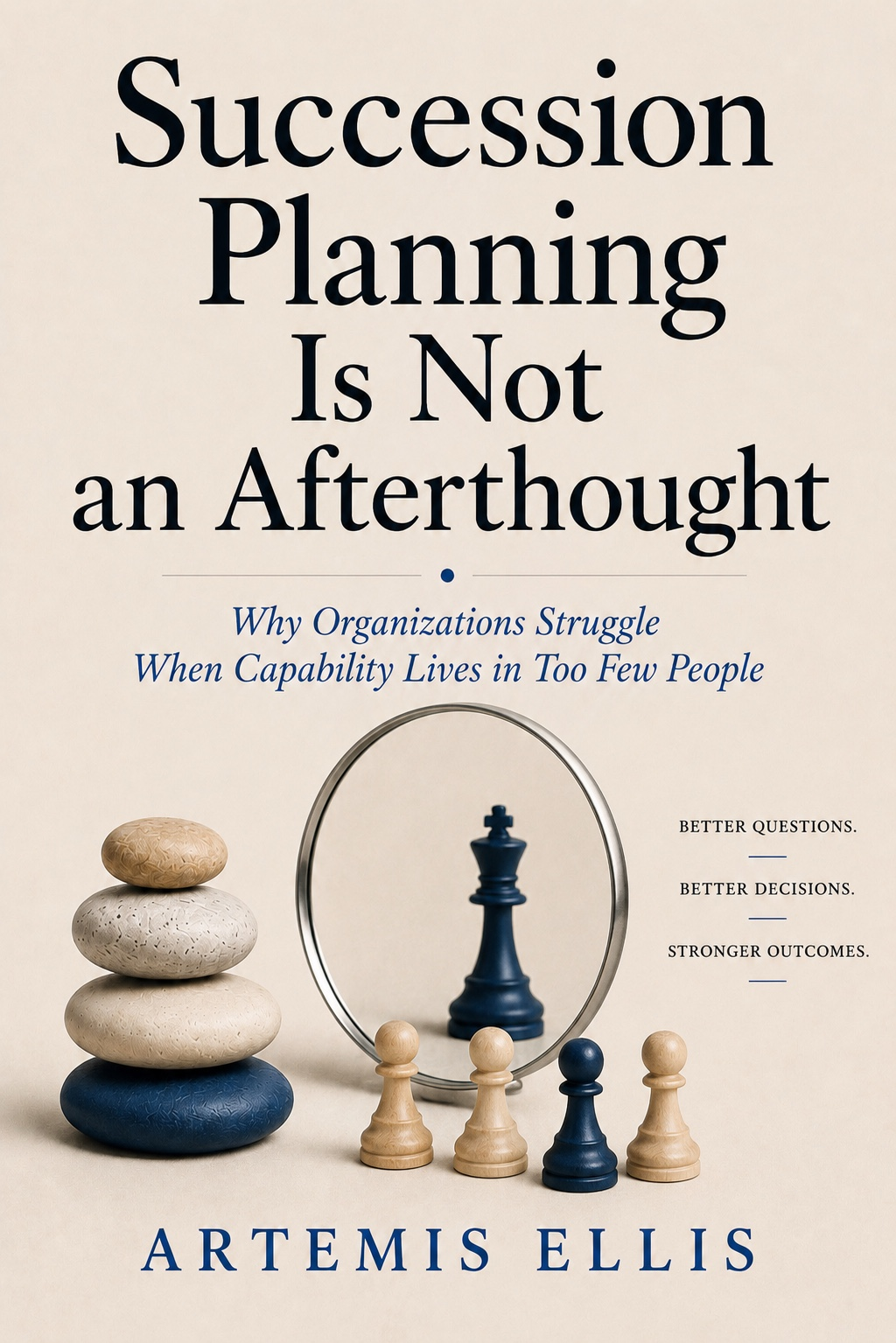
Succession Planning Is Not an Afterthought shows leaders how to reduce dependency risk, build capability continuity, and create organizations resilient enough to keep working when people move, grow, rest, or leave.
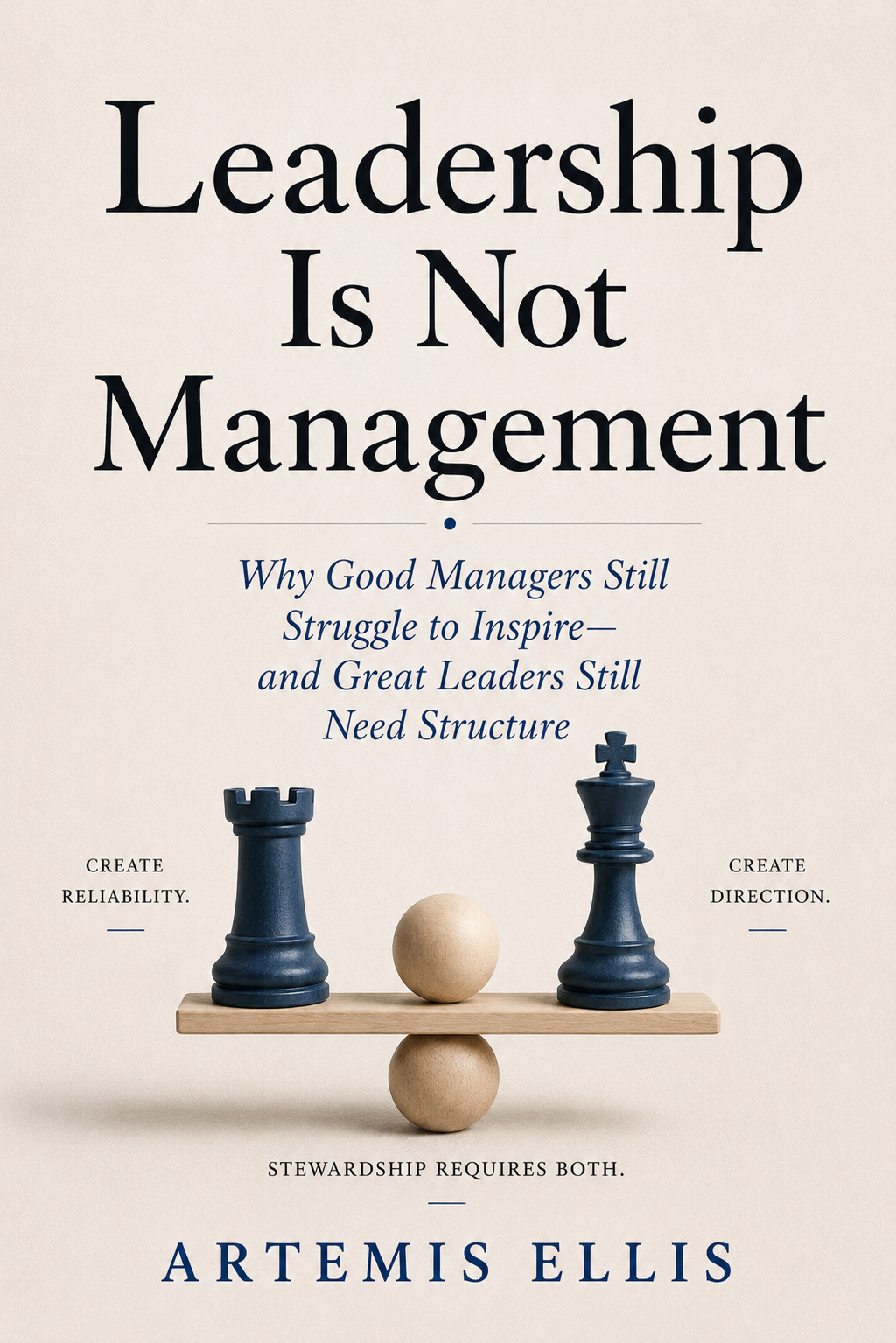
Leadership Is Not Management shows why good managers can still struggle to inspire, why great leaders still need structure, and why healthy teams require both reliability and direction.
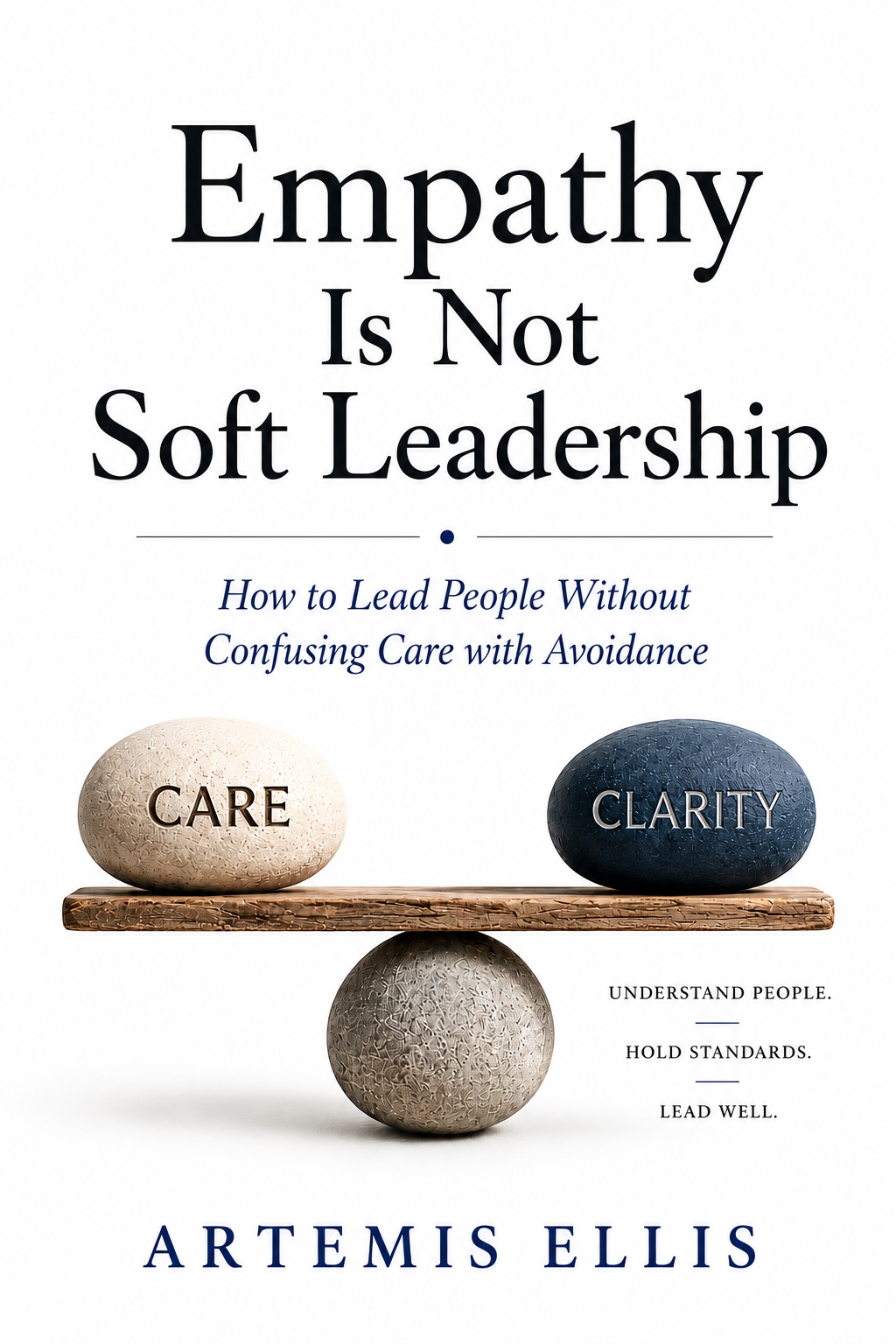
Empathy Is Not Soft Leadership shows leaders how to care about people without confusing empathy with avoidance, over-accommodation, or lowered standards.
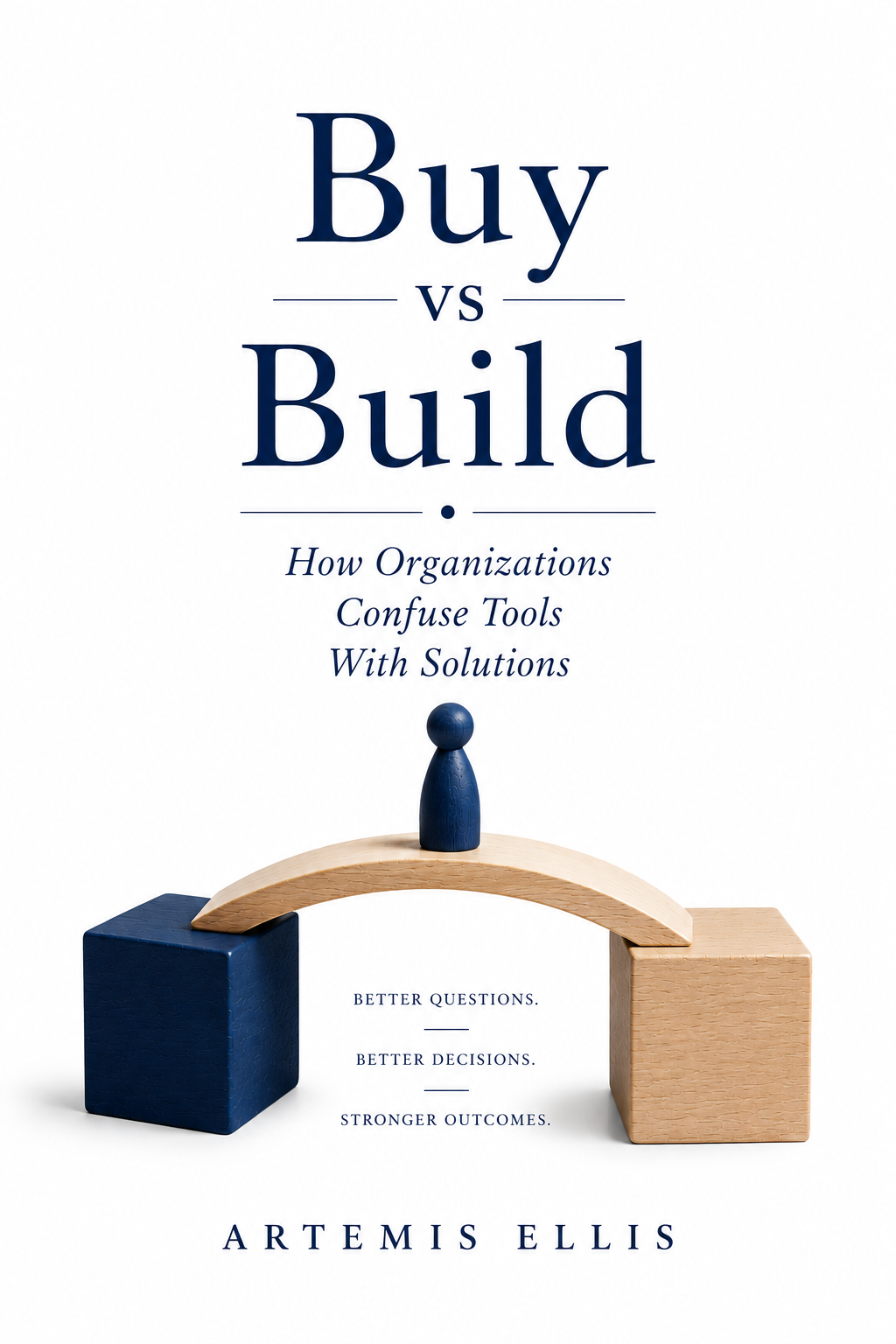
Buy vs Build shows leaders how to stop confusing tools with solutions and make technology decisions grounded in workflow reality, ownership, cost, AI-era possibility, and long-term fit.
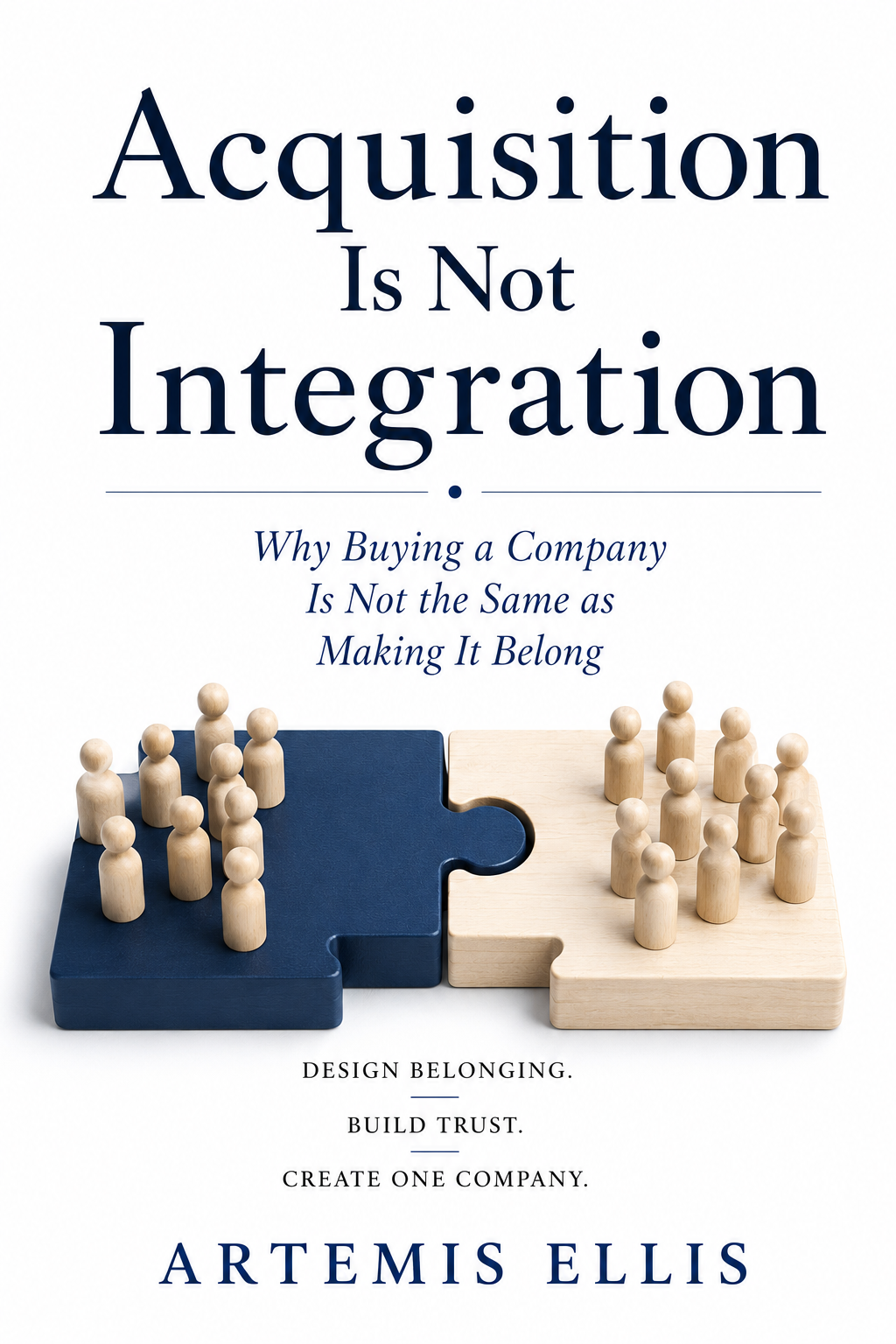
Acquisition Is Not Integration shows why buying a company is not the same as making it belong—and how leaders can design the trust, clarity, and shared ways of working integration actually requires.
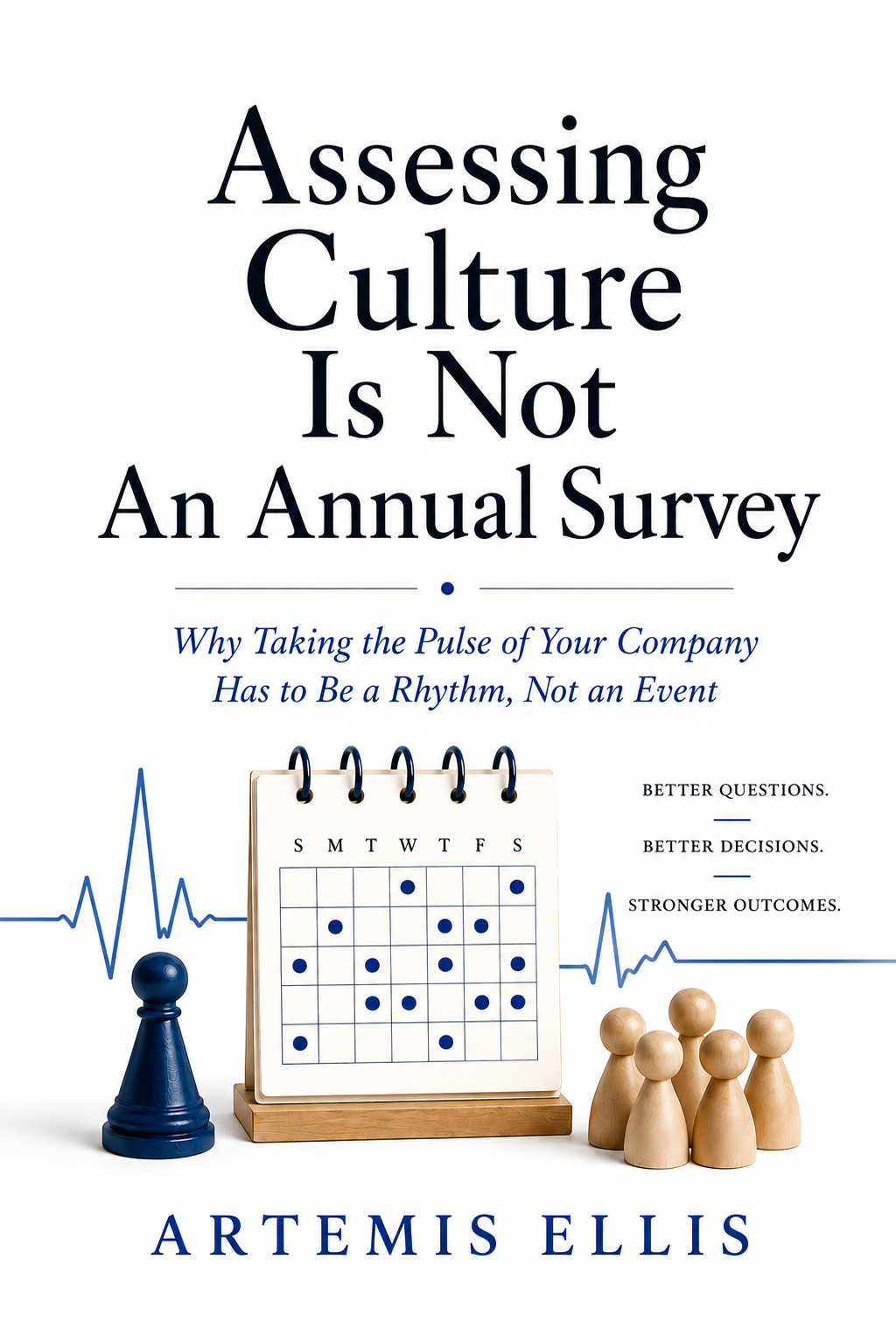
Assessing Culture Is Not An Annual Survey shows why healthy organizations cannot rely on yearly snapshots to understand culture—and how leaders can build rhythms of attention that surface truth before silence becomes crisis.

Getting Past the Filters helps job seekers understand how modern hiring systems read, sort, and screen applications — and how to make their experience easier for the right humans to recognize.
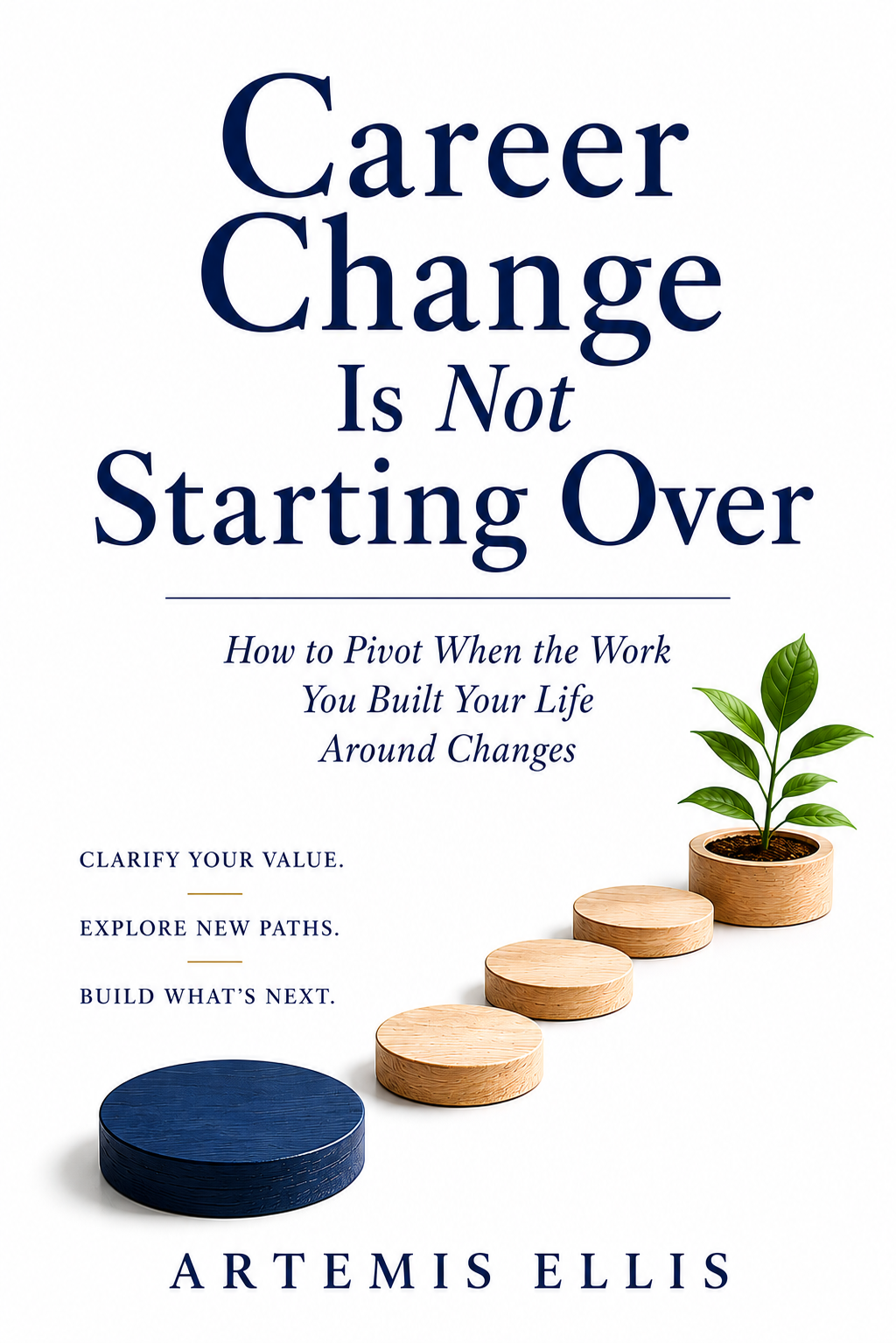
Career Change Is Not Starting Over helps professionals pivot when the work they built their life around changes—without erasing the value of what they already know.
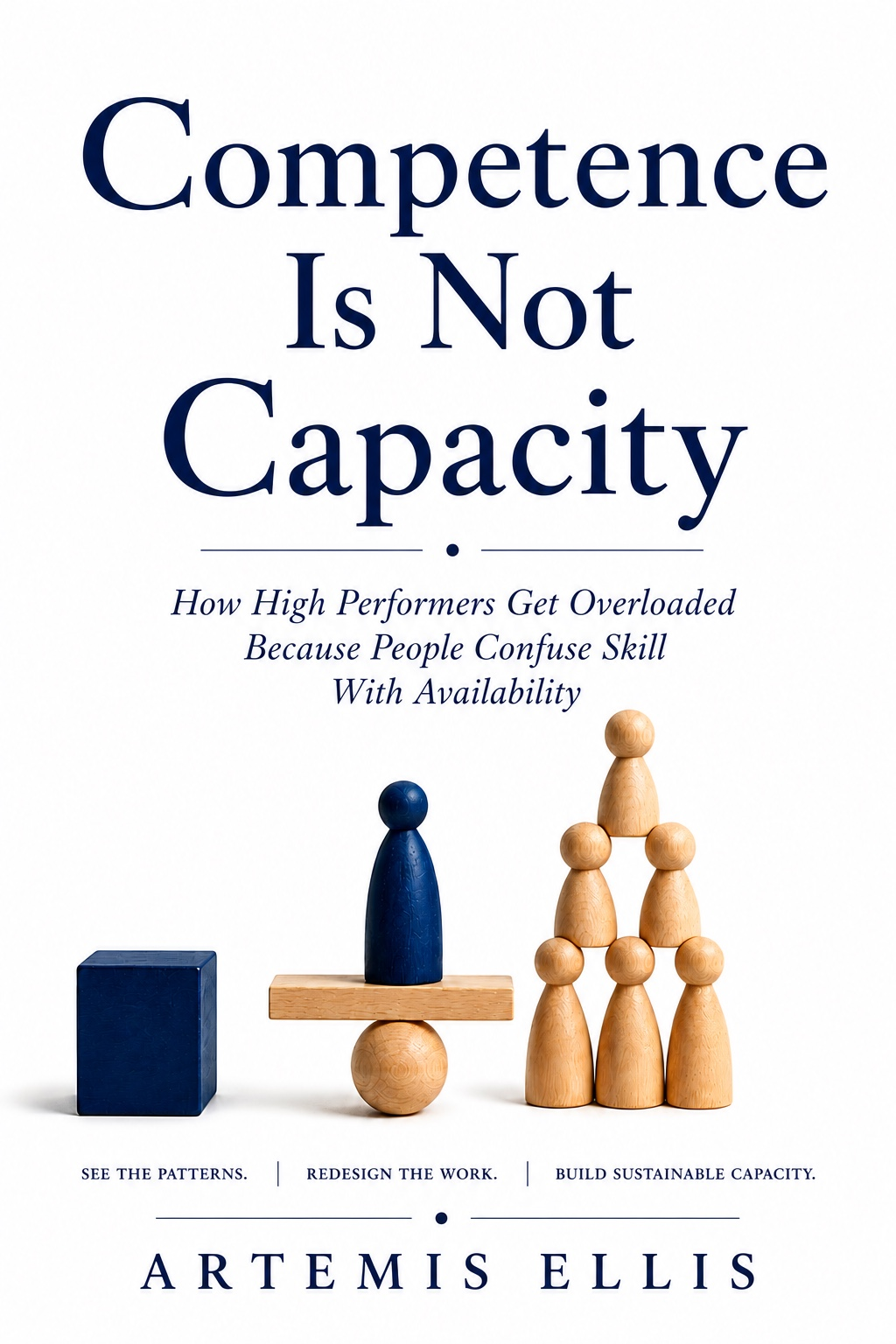
Competence Is Not Capacity shows how high performers become overloaded when organizations confuse skill with availability—and how teams can redesign work before reliability turns into depletion.
Data Is Not Judgment shows why better leadership decisions require evidence, experience, and the disciplined judgment to understand the limits of both.
Interviewing Is Not Storytelling helps capable professionals stop narrating their résumé and start explaining the value they bring in a hiring market that makes no sense.
Conflict Is Not Dysfunction helps leaders and teams build the trust, structure, and repair habits needed to disagree honestly without breaking working relationships.
Visibility Is Not Value shows why being seen is not the same as creating meaningful impact—and how professionals and leaders can recognize contribution without rewarding performance theater.
Retrospectives Are Not Backward Looking helps teams turn experience into better decisions, stronger systems, and more useful action in uncertain work.
Productivity Is Harder After Layoffs helps readers understand why work feels harder after organizational cuts and how to keep going without pretending they are fine.
AI Replaced the Work, Not You helps professionals stay useful, visible, and adaptable when automation changes the work before anyone explains what comes next.
Leadership Is Not a Job Title helps managers, project leaders, and workplace humans assess their leadership honestly and build the practical skills their teams actually need.
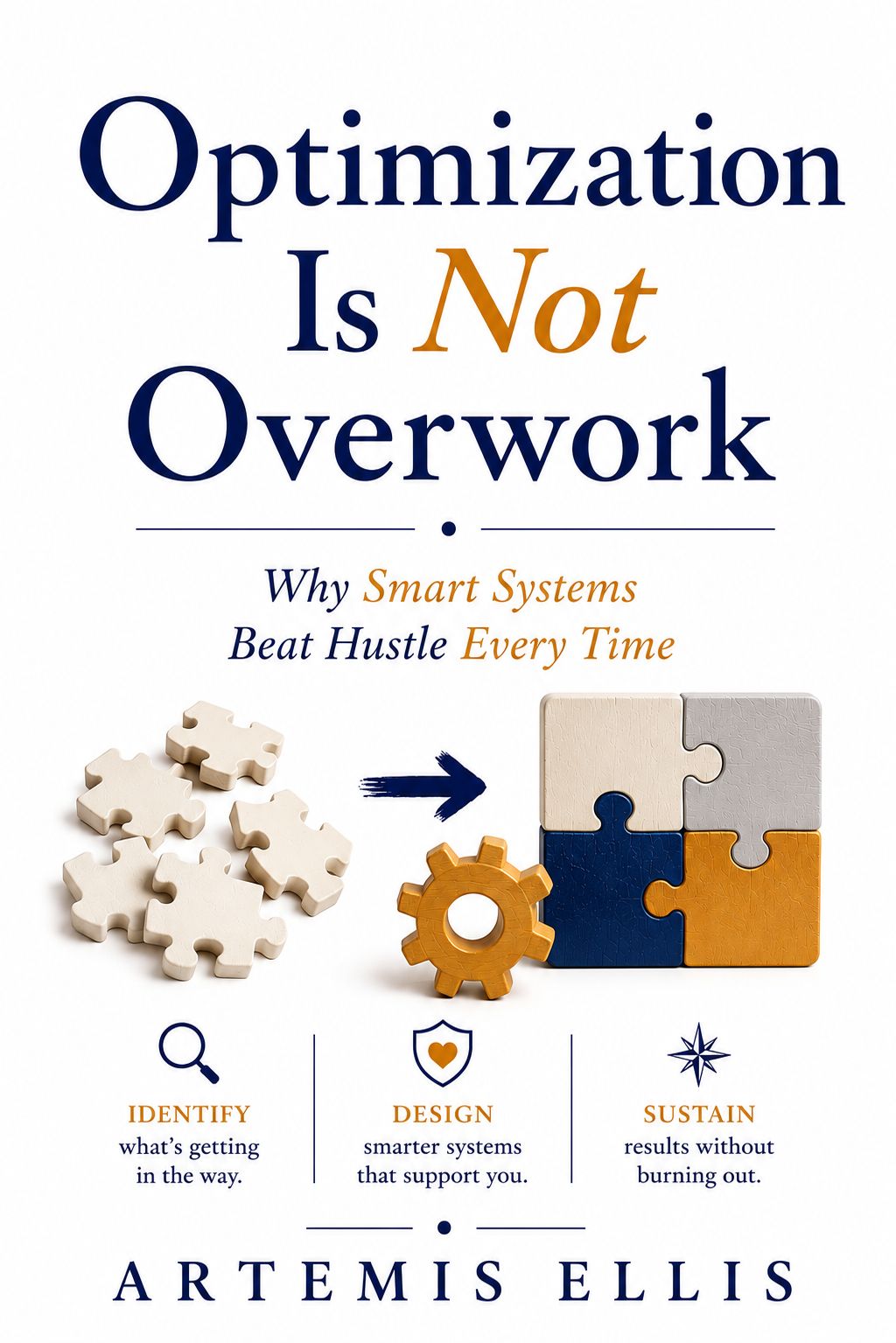
Optimization Is Not Overwork shows professionals how to stop solving broken systems with personal exhaustion and start designing smarter ways to work.

Power Is Not Permission explores why the true test of leadership is not what people do when they are supervised, but what they choose to do when nobody feels comfortable saying no.
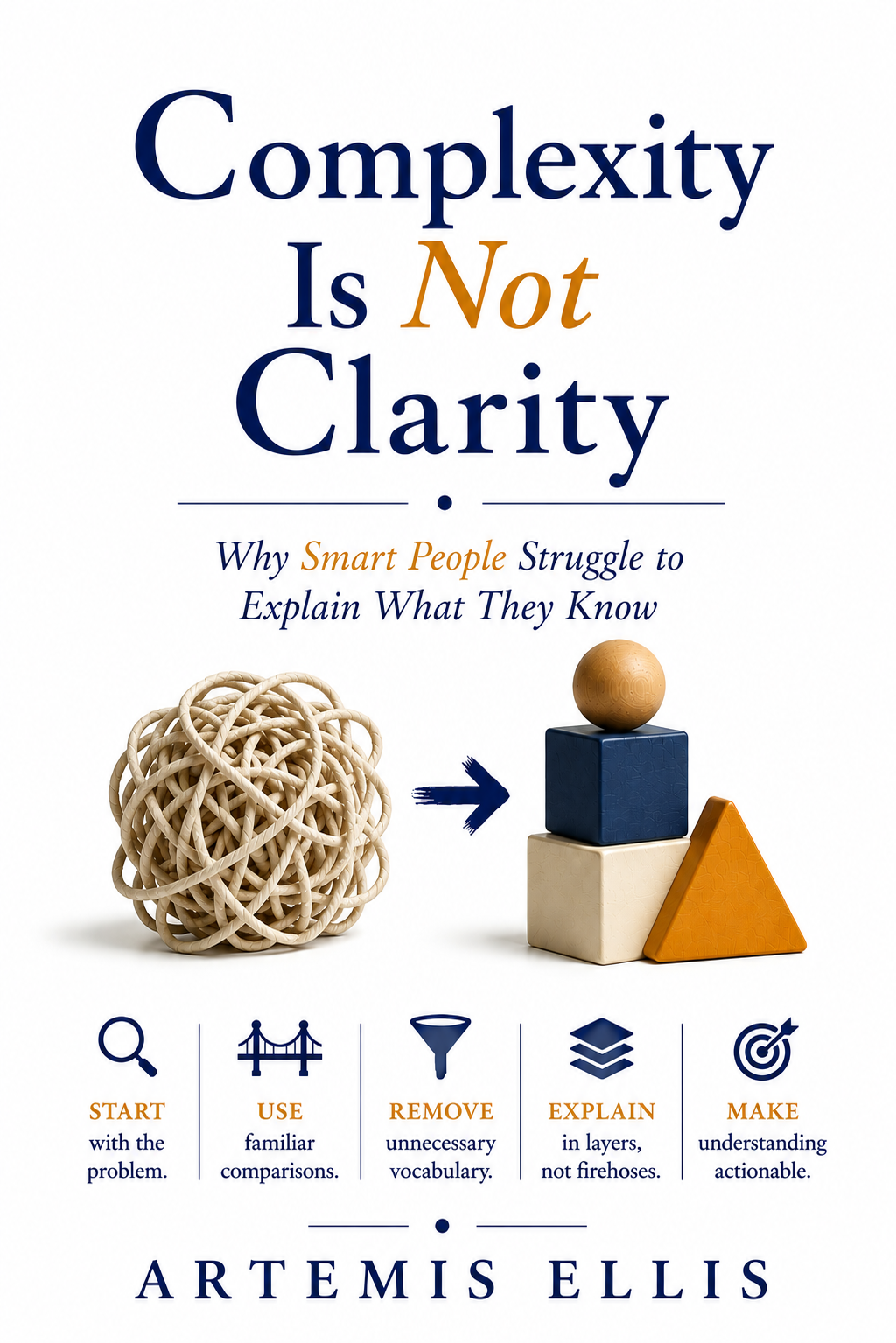
Complexity Is Not Clarity is a practical guide to helping smart people explain complicated ideas in ways that create understanding, alignment, and action.
Documentation Is Not Understanding reveals why writing information down is only the first step—and shows how to create documentation that people can actually understand, trust, and use.
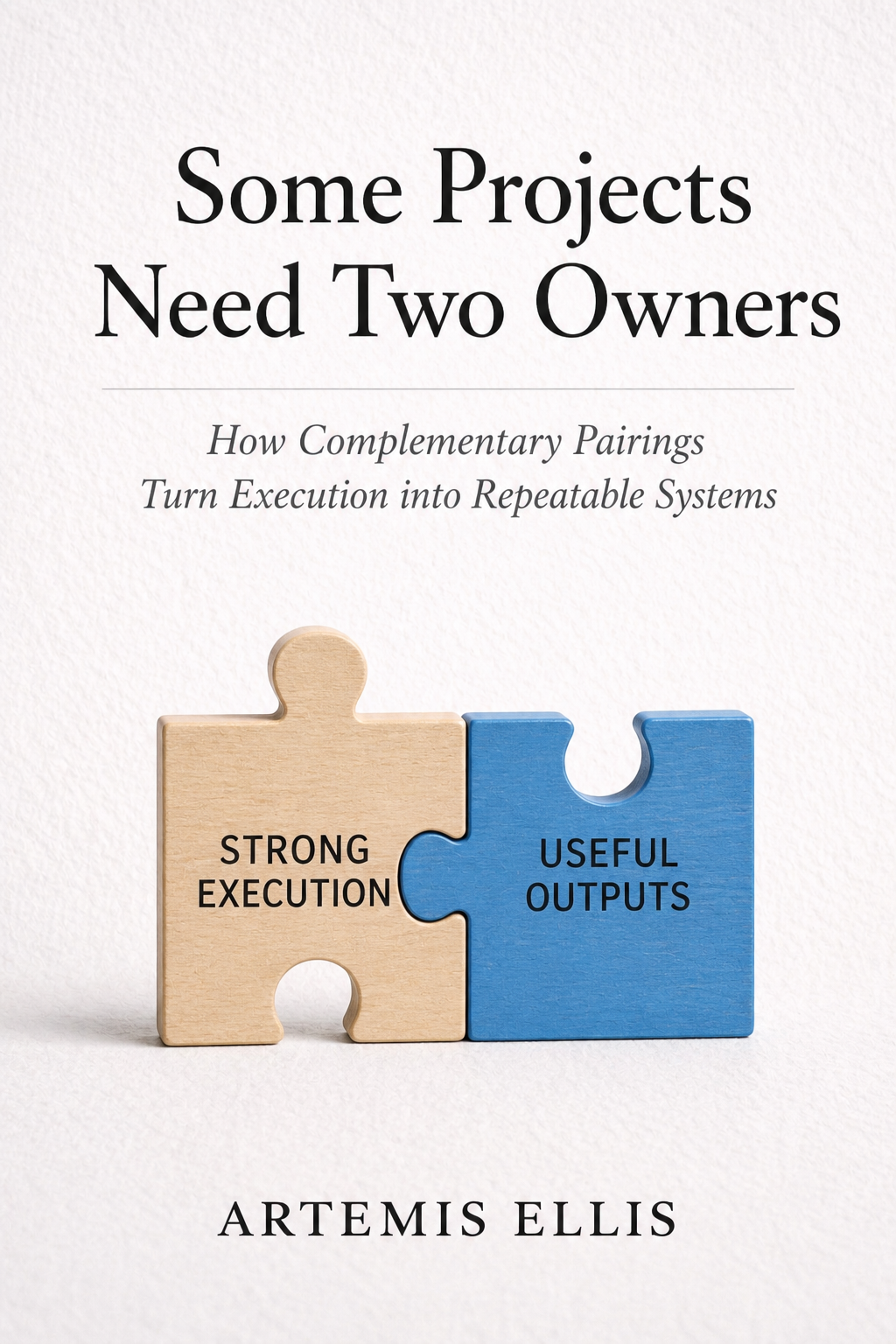
Some Projects Need Two Owners demonstrates how intentionally pairing complementary strengths can transform complex projects into repeatable systems that achieve stronger execution and lasting adoption.
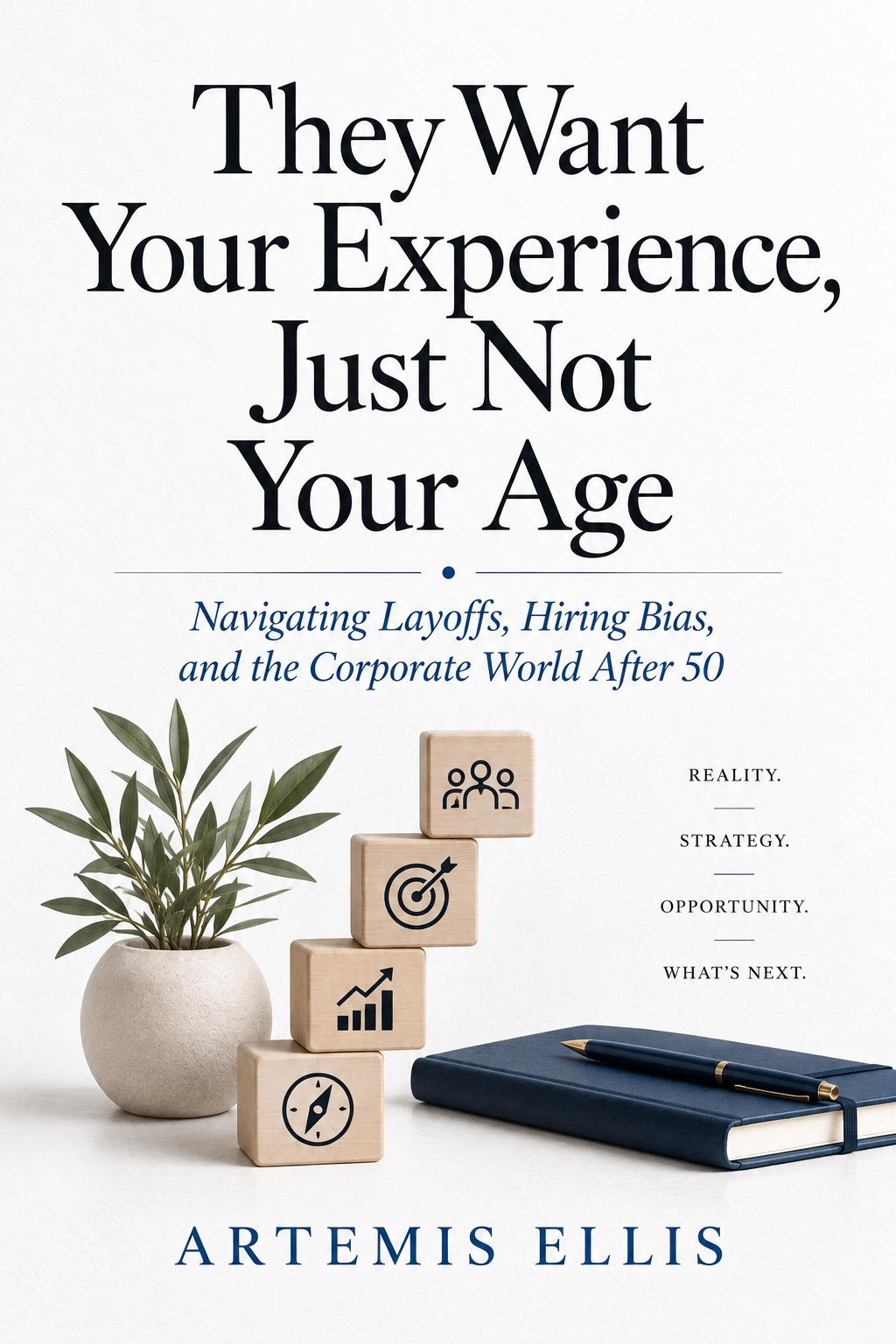
They Want Your Experience, Just Not Your Age confronts the realities of layoffs, hiring bias, and corporate life after 50—and offers practical strategies for deciding what comes next.
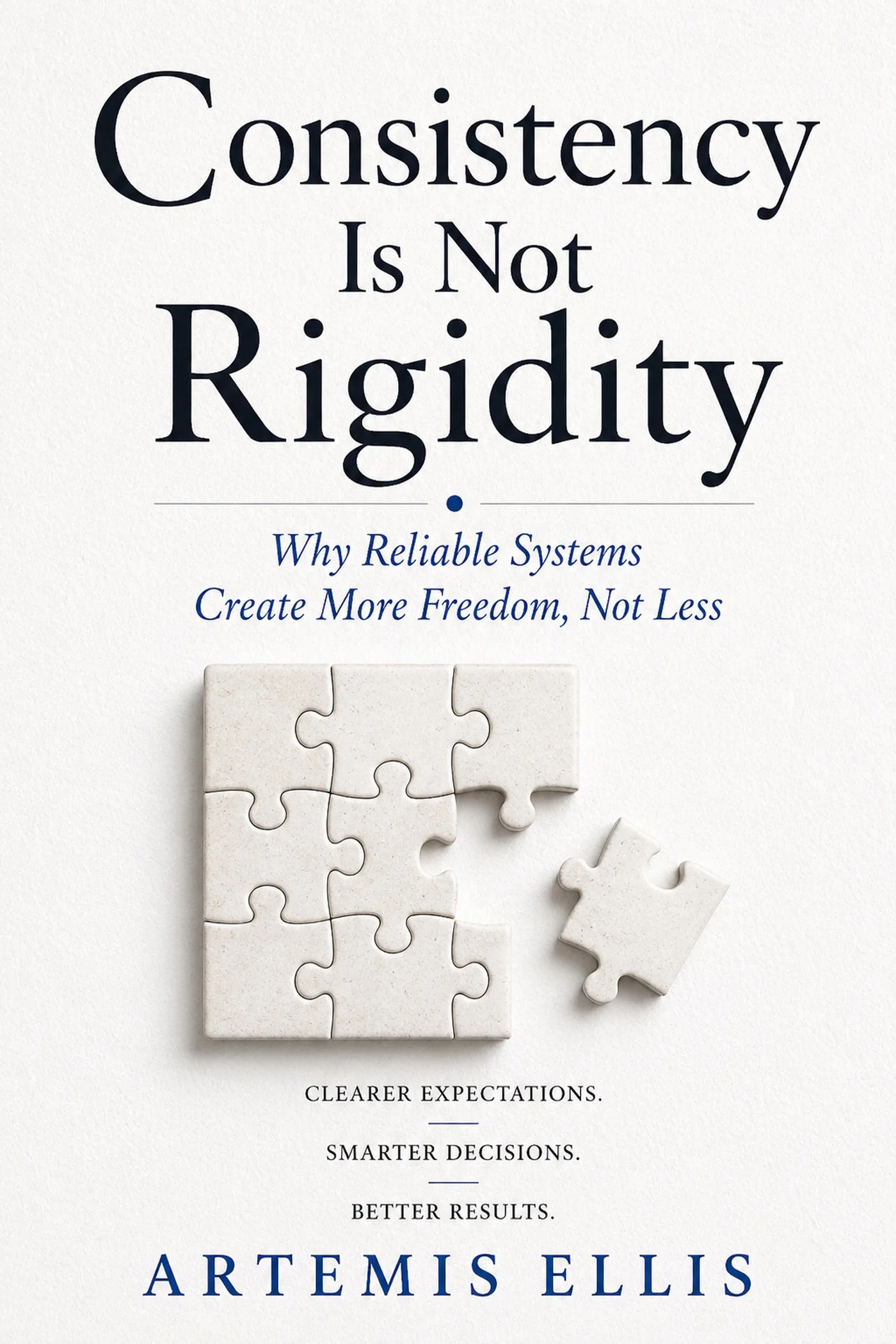
Consistency Is Not Rigidity shows why reliable systems don’t restrict autonomy—they remove unnecessary uncertainty so people have more freedom to use judgment where it actually matters.